
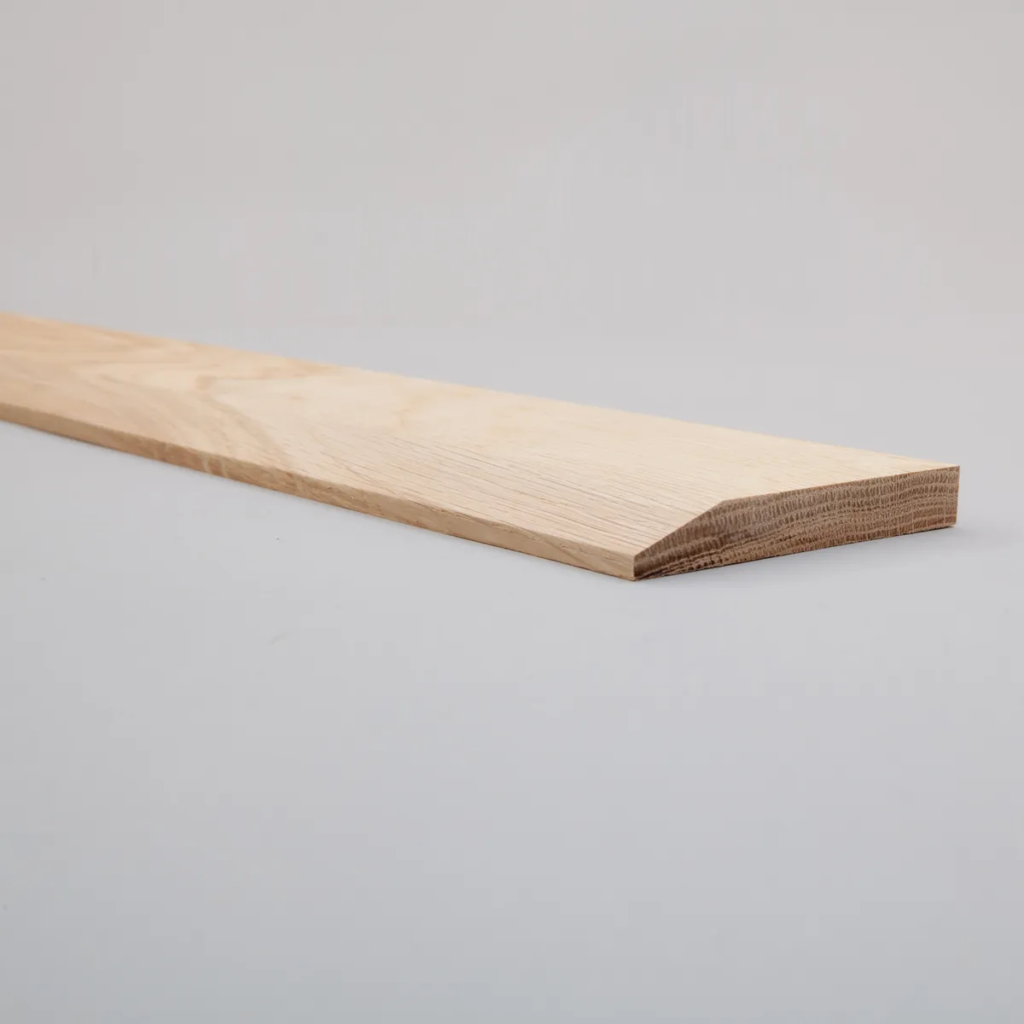
Woodworking is an art, and those who practice it know that it is an exhaustive process that goes beyond just chopping and shaping the material. The art of woodworking lies in the finesse of details, such as bevelled edges, which can turn an ordinary piece into a masterpiece. Bevelled edges are an essential technique that creates an angle on the wood’s edge. These edges are elegant, professional, and can add depth and definition to your woodworking projects. In this blog, we are going to explore the art and technique of bevelled edges in woodworking.
Understanding bevelled edges:
Bevelled edges are a technique that involves cutting at an angle, creating a slope that slants away from the material’s surface. A bevel is typically created by using various woodworking tools like a saw, a jointer, or a router. The bevel angle can vary depending on the intended purpose and the wood’s thickness. For instance, a shallow angle for furniture is typically between five to ten degrees, while a more acute angle is for decorative purposes.
Tools needed for creating bevelled edges
A range of tools is available to create bevelled edges, and the selection of the best tool depends on the project’s requirements. Common tools used in creating bevelled edges include the jointer, saw, router, and chisels. A jointer can create precise and straight edges, while a hand saw is ideal for more profound cuts and angles. The router, on the other hand, is used for freehand cuts and can make curved edges. The type of tool used depends on the woodworker’s comfort level, skill set, and preference.
Creating bevelled edges in woodworking
Creating bevelled edges requires careful planning, appropriate tools, and accuracy during the cutting process. It is crucial to determine the thickness of the wood and the desired angle before starting the cutting process. The workpiece must be clamped firmly in place to prevent it from moving during cutting, and the placement of the tool must be precise. The cutting angle and depth should be carefully monitored to achieve the desired outcome. After the cut is made, it is essential to sand the edges to remove any roughness and achieve a clean line.
Uses of bevelled edges in woodwork
Bevelled edges have a wide range of uses in woodworking projects, and their purpose is mainly decorative. Bevelled edges add depth and definition to furniture, flooring, and molding. The technique can be used for creating artistic designs and augmenting aesthetic features. Bevelled edges are also used to make joints more robust and sturdier. The technique is versatile, and its suitability depends on the project requirements and personal style.
Conclusion
Bevelled edges are a vital technique in woodworking, and the art requires precision, planning, and careful execution. The skill of bevelled edges can turn an ordinary piece into an extraordinary masterpiece. Using the right tools and technique is critical, and achieving the desired outcome takes a great deal of patience and practice. Woodworking is fulfilling, and bevelled edges add to the beauty and quality of any piece. Whether you are a seasoned woodworker or an aspiring beginner, mastering the art of bevelled edges can elevate your skillset and make your projects more elegant.