Maintaining air quality is a critical factor in industrial settings. From manufacturing plants to laboratories, controlling airborne contaminants is essential for ensuring safety, efficiency, and compliance with stringent health guidelines. One solution that has gained significant relevance is the use of negative air units. These systems play a pivotal role in creating safer environments by filtering and controlling harmful particles in the air.
This article explores the benefits of negative air unit in industrial environments and why they are indispensable for optimal operations.
What Are Negative Air Units?
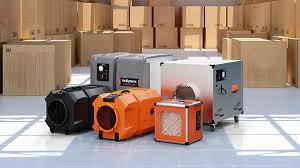
Negative air units are specialized systems designed to create negative air pressure in enclosed spaces. They achieve this by drawing air out of a room while restricting external air from entering, thereby controlling the flow of airborne particles. Equipped with high-efficiency filters, these units effectively capture dust, mold spores, volatile organic compounds, and other harmful pollutants. The result is a space with significantly reduced contamination risks.
Enhanced Air Quality
The primary benefit of utilizing negative air units is their ability to improve air quality. Industrial environments often expose workers and machinery to harmful contaminants such as fine dust, fumes, and chemical particles. Poor air quality can not only lead to health issues but also compromise the efficiency of equipment. Negative air units continuously filter and purify the air, reducing particulate matter and creating a healthier workspace.
Protection Against Airborne Hazards
Industrial spaces are typically home to a variety of processes that release dangerous airborne substances. These may include chemicals, gases, or fine particles that can infiltrate other parts of the facility if not properly controlled. Negative air units ensure that these hazards are contained within specific areas, safeguarding workers’ health and environmental integrity.
Compliance with Safety Standards
Industries are subject to increasingly rigorous standards for air quality and worker safety. Negative air units help organizations adhere to these requirements by effectively reducing harmful airborne contaminants. Industries such as pharmaceuticals, construction, and chemical manufacturing, where clean air is a non-negotiable, benefit significantly from these systems.
Versatility in Applications
One of the standout advantages of negative air units is their versatility. They can be deployed in a variety of industrial settings, from controlling dust in construction zones to maintaining sterile conditions in cleanrooms. They are also valuable in disaster recovery operations, helping contain contaminants such as asbestos or mold during remediation projects.
Enhanced Worker Productivity
Research has shown that air quality can directly impact worker productivity. A cleaner breathing environment reduces instances of respiratory illnesses, fatigue, and irritation caused by poor air conditions. By improving overall workplace health, negative air units contribute to higher morale, lower absenteeism, and enhanced overall efficiency.
Cost-Efficiency in Industrial Operations
While investing in negative air units may seem like a financial commitment, the long-term benefits far outweigh the initial cost. These systems help reduce equipment maintenance costs by minimizing exposure to contaminants. Additionally, they contribute to fewer workplace incidents caused by poor air quality, reducing potential liabilities and healthcare costs.
Efficiency Through Air Quality
Negative air units have become an integral part of maintaining safe and efficient industrial environments. By addressing contamination risks, these systems enhance air quality, boost worker productivity, and ensure compliance with safety standards. Their versatility in applications and cost-saving benefits make them an ideal choice for industries aiming to create optimal working conditions.
Investing in negative air units signifies a proactive commitment to worker wellbeing, operational efficiency, and environmental safety.