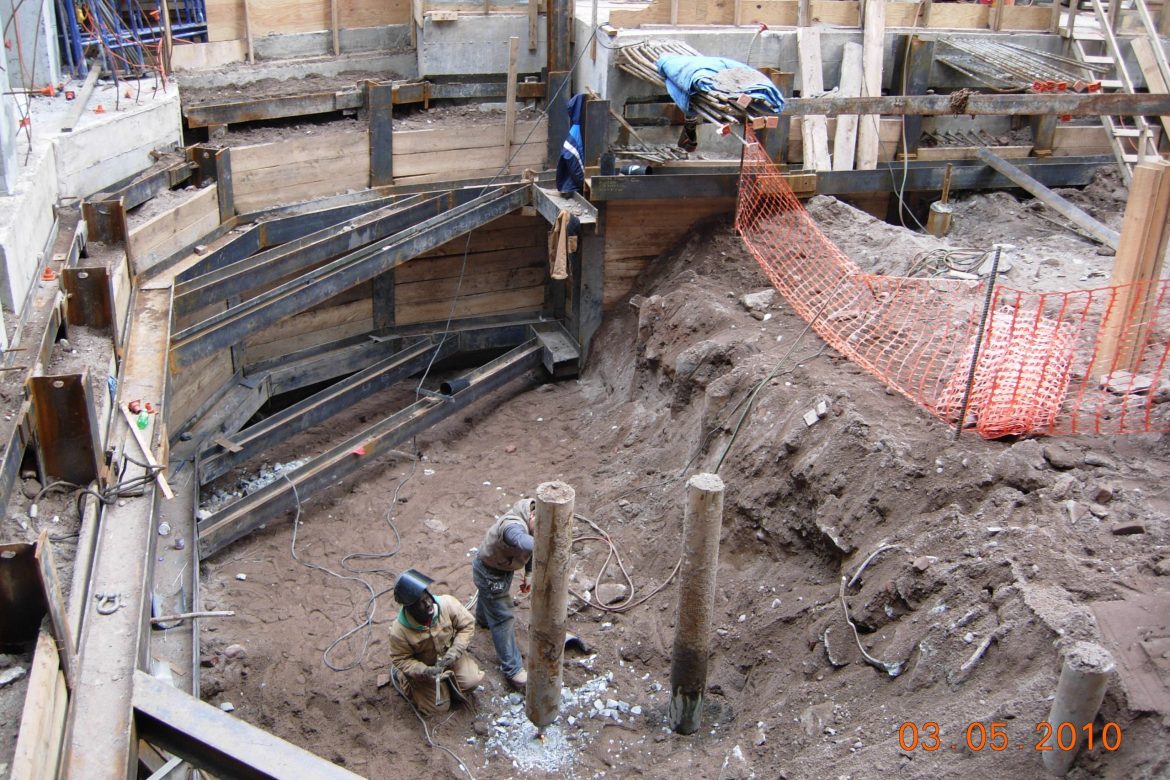
Sheeting in construction involves the strategic placement of strong materials to support excavations and prevent soil collapse. Essentially, it acts as a protective barrier, ensuring safety and stability in construction sites. This crucial technique plays a vital role in safeguarding workers and surrounding structures during the excavation process. Understanding what sheeting is in construction is fundamental for successful project management and ensuring a secure work environment. Let’s delve deeper into this important construction practice.

What is Sheeting in Construction: A Comprehensive Guide
Welcome to our in-depth guide on sheeting in construction! Whether you’re a curious student or a budding builder, understanding the concept of sheeting is essential in the world of construction. In this article, we will delve into the ins and outs of sheeting, exploring its importance, types, materials, and applications. Let’s get started!
The Basics of Sheeting
Sheeting in construction refers to the process of installing large, flat materials to provide temporary support and stability to excavation sites, foundation walls, or trenches. The primary purpose of sheeting is to prevent soil movement, water seepage, and protect the surrounding structures during construction.
Key Functions of Sheeting
Sheeting serves several crucial functions in construction:
- Preventing soil collapse
- Supporting vertical or inclined soil faces
- Shielding workers from potential hazards
- Controlling groundwater infiltration
Now that we’ve covered the basics, let’s explore the different types of sheeting used in construction.
Types of Sheeting
There are various types of sheeting materials available, each serving specific purposes based on the construction needs. Some common types include:
1. Wood Sheeting
Wood sheeting, often made of timber, is a traditional choice for temporary construction projects. It is lightweight, easy to handle, and suitable for short-term applications.
2. Steel Sheeting
Steel sheeting is a robust and durable option commonly used in permanent structures. It provides excellent support and stability, making it ideal for long-term construction projects.
3. Vinyl Sheet Piling
Vinyl sheet piling is a popular choice for projects requiring corrosion resistance and environmental sustainability. It is lightweight, cost-effective, and easy to install, making it a versatile option for various applications.
4. Concrete Sheeting
Concrete sheeting offers unmatched strength and durability, making it suitable for heavy-duty construction projects. It provides excellent protection against soil pressure and water infiltration, ensuring long-lasting structural integrity.
Materials Used in Sheeting
Sheeting materials play a vital role in the effectiveness and durability of the construction process. Here are some commonly used materials:
1. Aluminum
Aluminum sheeting is lightweight, corrosion-resistant, and easy to transport. It is often used in temporary applications due to its flexibility and cost-effectiveness.
2. Timber
Timber sheeting is a sustainable option that provides adequate support for light to medium construction projects. It is versatile, readily available, and environmentally friendly.
3. Fiberglass
Fiberglass sheeting offers high strength-to-weight ratio and corrosion resistance. It is commonly used in projects requiring durability and longevity.
4. Plastic
Plastic sheeting is a cost-effective and versatile material used in various construction applications. It is lightweight, easy to install, and offers good resistance to chemicals and weather elements.
Applications of Sheeting
Sheeting plays a crucial role in a wide range of construction projects. Some common applications include:
1. Excavation Sites
Sheeting is used to provide safety and stability during excavation work, preventing soil collapse and protecting workers from potential hazards.
2. Foundation Walls
Sheeting supports foundation walls during construction, ensuring proper alignment and preventing soil movement that could compromise the structural integrity of the building.
3. Retaining Walls
Sheeting is essential in the construction of retaining walls to prevent soil erosion, maintain slope stability, and enhance overall structural strength.
4. Trenches
Sheeting is employed in trench construction to prevent cave-ins, protect workers, and facilitate the installation of underground utilities with minimal disruption.
Sheeting is a fundamental aspect of construction that plays a critical role in ensuring the safety, stability, and longevity of structures. By understanding the types, materials, and applications of sheeting, builders can make informed decisions to optimize construction processes and achieve successful project outcomes. We hope this comprehensive guide has provided valuable insights into the world of sheeting in construction. Happy building!
What Is Sheeting In Construction? – Civil Engineering Explained
Frequently Asked Questions
What is sheeting used for in construction?
Sheeting in construction refers to the process of installing large, flat sheets, often made of materials like wood, steel, or composite materials, to provide temporary support or protection during excavation or construction activities. It helps prevent soil movement, cave-ins, and protects workers and adjacent structures.
How does sheeting help in excavation work?
Sheeting is crucial in excavation work as it helps maintain the stability of the surrounding soil, preventing collapse or shifting. It acts as a barrier, holding back the soil and creating a safe working environment for construction crews to carry out their tasks.
What are the common types of sheeting materials used in construction?
In construction, different types of materials are used for sheeting based on the specific requirements of the project. Common sheeting materials include timber (wood), steel, aluminum, vinyl, and composite materials. Each material has its advantages and is selected based on factors like soil conditions, depth of excavation, and project duration.
When is sheeting typically removed in construction projects?
Sheeting is usually removed after the construction work that necessitated its use is completed. Once the excavation is backfilled or the structural components are in place to provide permanent support, the sheeting can be safely removed. Removing sheeting should be done carefully to avoid any destabilization of the surrounding soil or structures.
Final Thoughts
Sheeting in construction refers to the process of installing temporary structures to provide support and prevent soil movement during excavation. It is a crucial step in creating a stable foundation for buildings. Proper sheeting ensures safety and stability on construction sites, especially in areas with loose or shifting soil. Overall, sheeting in construction is essential for creating a secure and reliable foundation for any building project.