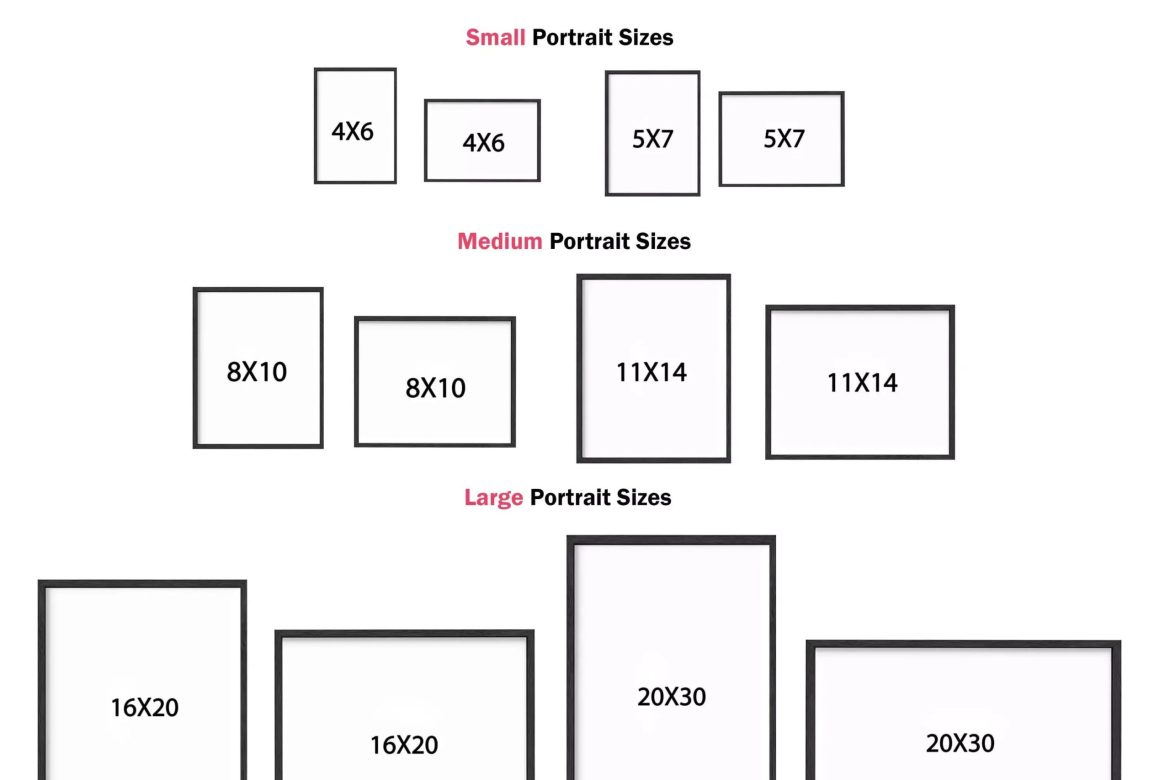
Portrait size refers to the dimensions of an image or artwork that are typically taller than they are wide. When capturing a portrait, understanding the ideal size can greatly impact the overall composition and visual appeal. By determining the correct portrait size, you can ensure that your subject is properly showcased and that the image fits the intended purpose. Whether for social media profiles, professional headshots, or artistic representations, mastering the concept of portrait size is crucial for creating impactful visuals.

Understanding Portrait Size: A Guide for Beginners
Welcome to our comprehensive guide on portrait size! If you’ve ever been curious about what exactly portrait size means and how it influences the quality of your photos, you’re in the right place. In this blog post, we will delve into the world of portrait size, exploring its importance, standard measurements, and how to optimize it for stunning portraits.
What Is Portrait Size?
Portrait size refers to the physical dimensions of an image, specifically how wide and tall it is. When taking a portrait photograph, the dimensions of the image play a crucial role in determining how the subject appears in the frame. Understanding portrait size is essential for photographers to capture flattering and visually appealing portraits.
The Importance of Portrait Size in Photography
The size of a portrait can significantly impact the overall composition and quality of the image. A well-proportioned portrait size helps highlight the subject and creates a visually pleasing aesthetic. Whether you’re capturing a professional headshot or a candid portrait, getting the size right is key to producing impactful photos.
Aspect Ratio
One of the key concepts related to portrait size is the aspect ratio. The aspect ratio is the relationship between the width and height of an image. It determines the shape of the portrait and can influence how the subject is perceived. Common aspect ratios for portraits include 4:3, 3:2, and 16:9, each offering a different visual impact.
Resolution and Print Size
Resolution is another crucial factor when considering portrait size. Higher resolution images allow for larger print sizes without losing quality. When printing portraits, the resolution plays a vital role in ensuring sharpness and clarity. Understanding the relationship between resolution and print size can help you create stunning prints of your portraits.
Standard Portrait Sizes
While there is no one-size-fits-all approach to portrait size, there are common standard sizes that photographers often use. These sizes are widely accepted in the photography industry and are ideal for various types of portraits:
- 8×10 inches: A popular size for framing portraits
- 5×7 inches: Ideal for smaller prints or photo albums
- 4×6 inches: Commonly used for wallet-sized portraits
Choosing the right size for your portrait depends on your intended use and the desired impact you want to achieve. Experimenting with different sizes can help you find the perfect fit for your portraits.
Optimizing Portrait Size for Digital Display
In the age of digital photography, understanding how to optimize portrait size for online display is essential. Whether you’re sharing portraits on social media or your photography portfolio website, here are some tips to ensure your images look their best:
File Format and Compression
When preparing portraits for online display, consider saving them in a web-friendly file format such as JPEG. Compressing the images can help reduce file size without compromising quality, ensuring faster loading times and better user experience.
Image Resolution and Scaling
Make sure to resize your portraits to the appropriate dimensions for different digital platforms. Consider how the portrait will appear on various devices, such as smartphones, tablets, and desktop monitors. By scaling the images accordingly, you can maintain clarity and visual appeal across different screens.
Portrait size plays a crucial role in photography, influencing the composition, visual impact, and overall quality of the image. By understanding the fundamentals of portrait size, aspect ratio, resolution, and standard sizes, you can enhance your portrait photography skills and create stunning portraits that captivate viewers.
We hope this guide has provided you with valuable insights into the world of portrait size. Remember to experiment, practice, and have fun capturing memorable portraits that showcase your creativity and vision!
Unlocking Portrait Magic 🔓: Focal Lengths Demystified
Frequently Asked Questions
What factors determine the appropriate portrait size?
The ideal portrait size is influenced by various factors, such as the intended use of the portrait, the viewing distance, the level of detail desired, and the placement location.
How does aspect ratio affect portrait size?
Aspect ratio plays a crucial role in determining the dimensions of a portrait. It defines the proportional relationship between the width and height of the image, impacting how the subject is framed within the picture.
Can I adjust the portrait size without distorting the image?
Yes, you can alter the size of a portrait without distorting the image by maintaining the original aspect ratio when resizing. This ensures that the proportions of the subject remain accurate and realistic.
Final Thoughts
In conclusion, portrait size refers to the dimensions and aspect ratio of an image, commonly used for individual or group portraits. It determines the overall appearance and framing of the subject within the frame. Choosing the right portrait size is crucial for achieving a balanced and visually appealing composition. Factors such as the intended use of the portrait and display location should be considered when selecting the size. Understanding what is portrait size enables photographers to enhance their storytelling and convey emotions effectively.