When you find yourself in therapy and the words just won’t come, it can be frustrating, but fear not. There’s always something to talk about in therapy, even when you feel like you have nothing. Simply start by describing your current emotions or any physical sensations you’re experiencing. Your therapist can help guide the conversation from there, leading to a deeper exploration of your thoughts and feelings. Therapy is a safe space where silence can also speak volumes, so don’t hesitate to share even the smallest details of your inner world.

What to Talk About in Therapy When You Have Nothing
Welcome, dear readers, to this guide on navigating therapy sessions when you feel like you have nothing to say. Many people find themselves in this situation at some point in their therapy journey, and it’s entirely normal. Remember, therapy is a safe space where you can explore your thoughts and feelings without judgment. In this blog post, we will delve into strategies and topics to consider when you’re unsure of what to talk about in therapy. Let’s get started!
Understanding the Importance of Communication in Therapy
Before we dive into specific topics, let’s talk about why communication is vital in therapy. Therapy is a collaborative process between you and your therapist. It’s a space for self-reflection, growth, and healing. By openly discussing your thoughts and emotions, you allow your therapist to understand your experiences better and provide you with the support you need.
Remember, therapy is not about having all the answers or talking non-stop. It’s okay to feel stuck or unsure of what to say. Your therapist is there to guide you through these moments and help you explore your inner world.
Exploring Personal Reflection and Self-Awareness
When you’re feeling lost for words in therapy, it can be helpful to start with personal reflection. Take a moment to think about how you’ve been feeling lately. Are there any patterns in your thoughts or behaviors that you’ve noticed? Reflect on your past week and consider any significant events or emotions that stood out to you.
Self-awareness is a powerful tool in therapy. By tuning into your thoughts and emotions, you can gain valuable insights into your inner world. Use your therapy sessions as a space to explore these reflections with your therapist. Remember, there are no right or wrong answers – it’s all about your personal journey towards understanding yourself better.
Discussing Your Current Challenges and Concerns
Another helpful approach when you’re unsure of what to talk about in therapy is to discuss your current challenges and concerns. What are the things that have been weighing on your mind lately? It could be stress at work, conflicts in your relationships, or even struggles with your mental health.
Your therapist is there to support you through these challenges. By sharing your concerns, you can work together to identify coping strategies, problem-solving techniques, and ways to navigate difficult situations. Remember, therapy is a safe and confidential space – feel free to open up about anything that’s on your mind.
Exploring Your Goals and Aspirations
When you’re feeling stuck in therapy, it can be beneficial to explore your goals and aspirations. What are the things you hope to achieve through therapy? Do you have any long-term aspirations for your personal growth and well-being?
Your goals can serve as a compass that guides your therapy journey. By discussing your aspirations with your therapist, you can create a roadmap towards achieving them. Whether it’s improving your mental health, building healthier relationships, or enhancing your self-esteem, your therapist can help you work towards these goals step by step.
Practicing Mindfulness and Grounding Techniques
During therapy sessions, you can also practice mindfulness and grounding techniques when you’re unsure of what to talk about. Mindfulness involves being present in the moment and acknowledging your thoughts and feelings without judgment.
Try incorporating simple mindfulness exercises into your therapy sessions, such as deep breathing, body scans, or mindful listening. These practices can help you connect with your inner self and create a sense of calm and clarity. By grounding yourself in the present moment, you may discover new insights and topics to discuss with your therapist.
Exploring Creative Expression and Journaling
If you’re struggling to find words in therapy, consider exploring creative expression and journaling as alternative forms of communication. Art therapy, writing, or using creative mediums can help you express your emotions and thoughts in a unique way.
Try incorporating drawing, painting, or writing in a journal as part of your therapy process. These creative outlets can offer a different perspective on your experiences and open up new avenues for discussion with your therapist. Remember, there are many ways to communicate – find what works best for you.
Reflecting on Your Relationship with Your Therapist
Lastly, when you’re unsure of what to talk about in therapy, take a moment to reflect on your relationship with your therapist. How do you feel in their presence? Are there any topics or concerns you’ve been hesitant to bring up?
Open communication is key to a successful therapeutic relationship. If you’re feeling stuck or unsure, don’t hesitate to discuss these feelings with your therapist. They are there to support you and guide you through your therapy journey. Remember, therapy is a collaborative effort between you and your therapist.
In conclusion, feeling like you have nothing to talk about in therapy is a common experience. Remember that therapy is a process, and it’s okay to have moments of uncertainty or silence. Use the strategies and topics discussed in this blog post to navigate these moments and make the most out of your therapy sessions.
Whether you’re exploring personal reflection, discussing your challenges, or setting goals for yourself, therapy is a space for growth and self-discovery. Remember to be gentle with yourself, trust the therapeutic process, and communicate openly with your therapist. Together, you can work towards a happier, healthier, and more fulfilling life.
Thank you for reading this guide on what to talk about in therapy when you have nothing. Remember, your journey towards healing and self-improvement is a unique and valuable one – embrace it with courage and compassion.
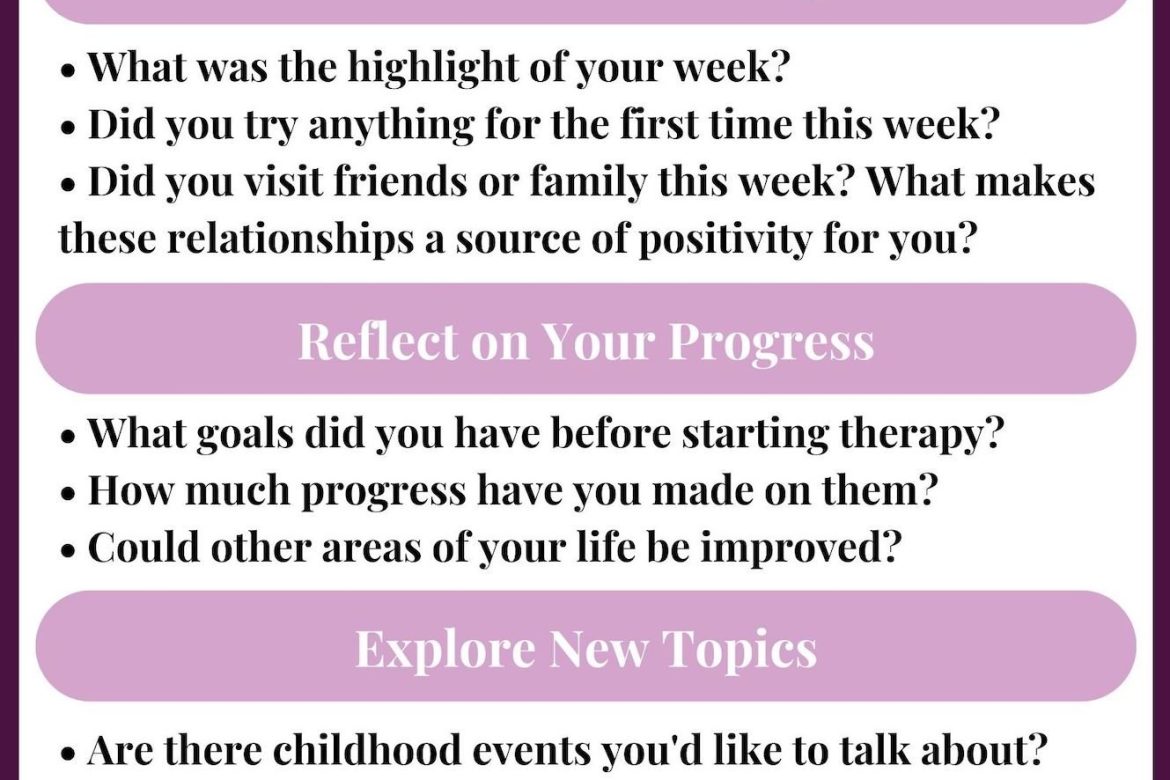
How to Use Therapy When You Don't Know What to Talk About
Frequently Asked Questions
What should I do if I feel like I have nothing to talk about in therapy?
If you’re struggling to come up with topics for therapy, it’s essential to be open and honest with your therapist about how you’re feeling. They are trained to help guide the conversation and may have strategies to help you explore underlying issues or concerns that you may not have considered.
How can I start a conversation in therapy when I feel stuck?
One way to begin a conversation in therapy when you’re feeling stuck is to talk about how you’re feeling in the moment, such as mentioning any discomfort or anxiety you may be experiencing. Your therapist can then work with you to explore those feelings and uncover potential topics for discussion.
What if I’m hesitant to discuss certain topics in therapy because I feel embarrassed or ashamed?
It’s common to feel hesitant about discussing sensitive or difficult topics in therapy. Remember that therapy is a safe and confidential space where you can explore such issues without judgment. If you’re uncomfortable, you can start by sharing your feelings of embarrassment or shame with your therapist, and they can help you navigate those emotions.
Final Thoughts
When struggling to find topics in therapy, explore feelings about therapy itself. Reflect on life changes, even small ones, and how they affect you. Embrace silence and bring it up if needed. In therapy when you have nothing, discussing the therapeutic process can foster deeper insights and breakthroughs. Remember, the essence lies in the willingness to engage and be open, even when it feels challenging.