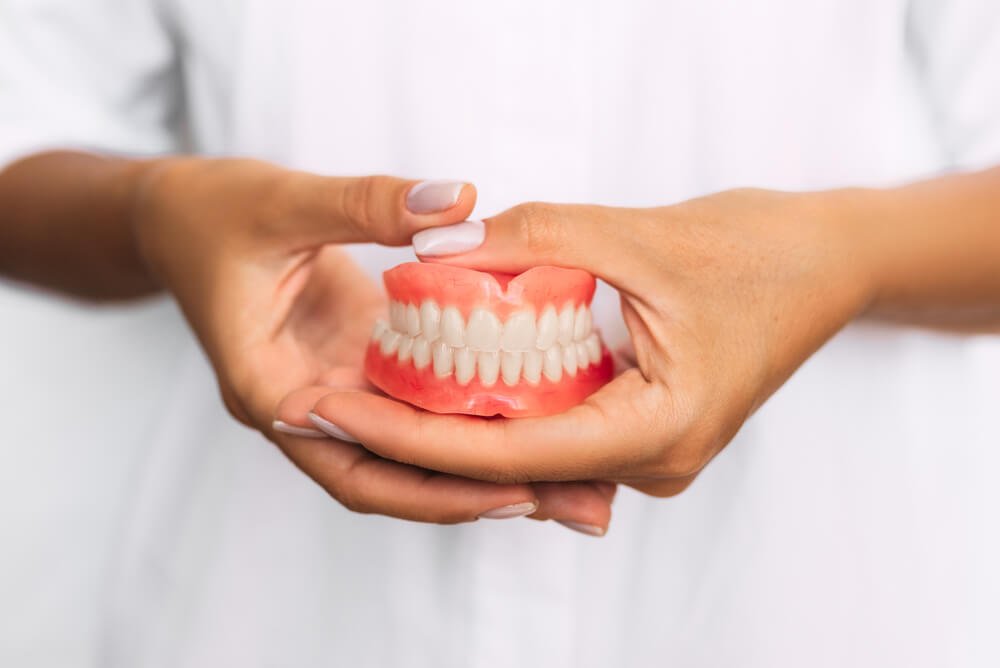
Dentures are typically made of a variety of materials, each serving a specific purpose. Commonly used materials include acrylic resin, porcelain, and metal. Acrylic resin is often preferred for its durability and affordability, while porcelain provides a more natural appearance. Metal frameworks offer strength and stability to dentures. Understanding what material are dentures made of is crucial for ensuring the best fit and functionality for your dental needs. Let’s delve deeper into the world of denture materials and discover which option may be right for you.

What Material Are Dentures Made Of
Have you ever wondered what dentures are made of? Dentures are custom-made dental appliances designed to replace missing teeth, restoring not only your smile but also your ability to eat and speak comfortably. Understanding the materials used in making dentures can give you more insight into this essential aspect of dental care. In this article, we will delve into the various materials that dentures are made of, how they are created, and the benefits of each type.
Types of Dentures
Before we explore the materials used in dentures, let’s first understand the different types of dentures available. There are two main categories of dentures: full dentures and partial dentures. Full dentures are used when all teeth are missing, while partial dentures are used when some natural teeth still remain.
Full Dentures
Full dentures typically consist of an acrylic base that mimics the look of gums and supports a full set of artificial teeth. These are further categorized into conventional dentures and immediate dentures. Conventional dentures are made after the teeth have been removed, allowing for proper healing of the gums before fitting the dentures. Immediate dentures, on the other hand, are made in advance and can be placed immediately after tooth extraction, providing a temporary solution while the gums heal.
Partial Dentures
Partial dentures are designed to fill in the gaps left by missing teeth while being attached to the remaining natural teeth for support. They are often made of a combination of materials to ensure a secure and comfortable fit.
Materials Used in Dentures
Now, let’s explore the various materials commonly used in the making of dentures:
Acrylic Resin
Acrylic resin is one of the most widely used materials in denture fabrication. It is a type of plastic that is durable, lightweight, and easy to adjust. Acrylic resin can be colored to match the natural shade of your gums and teeth, providing a more natural-looking appearance.
When dentures are made from acrylic resin, the base is typically crafted first to replicate the shape and color of your gums. Artificial teeth are then set into the base, creating a complete set of dentures. Acrylic resin dentures are easily customizable and can be adjusted as needed for a comfortable fit.
Metal Framework
Partial dentures often incorporate a metal framework for added strength and stability. The metal framework is usually made of cobalt-chromium alloy or titanium, as these materials are lightweight, durable, and biocompatible. The metal framework not only provides support for the artificial teeth but also helps distribute the biting forces evenly across the remaining natural teeth.
While the metal framework may not be visible when wearing the dentures, it plays a crucial role in ensuring the longevity and functionality of the partial dentures.
Porcelain
Porcelain is a material commonly used for creating artificial teeth due to its natural appearance and durability. Porcelain teeth closely resemble natural teeth in both color and translucency, making them a popular choice for denture wearers looking for a more lifelike smile.
Porcelain teeth are resistant to staining and can withstand the forces of daily chewing and biting. When combined with an acrylic resin base, porcelain teeth can create a seamless and aesthetically pleasing smile.
Flexible Resin
Flexible resin, also known as thermoplastic resin, is a newer material used in the fabrication of partial dentures. This material is pliable and lightweight, making it comfortable to wear and less likely to cause irritation or sore spots in the mouth.
Flexible resin dentures are designed to adapt to the natural movements of the mouth, providing a snug and secure fit without the need for metal clasps. Additionally, they are more resistant to breakage compared to traditional acrylic dentures, offering increased durability and longevity.
Choosing the Right Material
When it comes to choosing the material for your dentures, several factors should be considered, including your oral health, budget, aesthetic preferences, and lifestyle. Consulting with your dentist is essential to determine the most suitable material based on your individual needs and requirements.
Remember, dentures are not just about restoring your smile; they also play a vital role in maintaining your oral health and overall well-being. By understanding the materials used in dentures and their unique characteristics, you can make an informed decision that will ensure your comfort and satisfaction with your new dental appliance.
Whether you opt for acrylic resin, metal framework, porcelain, or flexible resin, rest assured that modern denture materials are designed to provide you with a natural-looking smile and functional bite. Embrace the journey to restoring your smile with confidence and comfort through the wonders of denture technology!
For more information on dentures and dental care, feel free to reach out to your dentist for personalized guidance and support.
How Dentures Are Made | The Making Of
Frequently Asked Questions
What are the common materials used to make dentures?
Dentures are typically made from acrylic resin, porcelain, metal, or a combination of these materials. Acrylic resin is the most common material used for dentures as it is durable, lightweight, and can be easily customized to match the natural color of teeth.
Are there any advantages to using porcelain for dentures?
Porcelain dentures are known for their natural appearance and durability. They are more stain-resistant compared to acrylic dentures and can closely mimic the look of natural teeth. However, porcelain dentures are more brittle and may cause more wear on natural teeth if not properly fitted.
How are metal dentures different from acrylic or porcelain dentures?
Metal dentures, also known as cast metal dentures, are made from cobalt-chromium or titanium alloys. These dentures are thinner, stronger, and less bulky compared to acrylic or porcelain dentures. Metal dentures are often used for partial dentures to provide better support and stability for the remaining natural teeth.
Final Thoughts
Dentures are commonly made from acrylic, metal, or a combination of both materials. Acrylic dentures are lightweight and easier to adjust, while metal dentures are more durable. The choice of material depends on factors like cost, comfort, and aesthetics. Understanding what material dentures are made of is crucial for patients to make informed decisions about their dental health.