A fuzz pedal takes your guitar’s sound and electrifies it, transforming every note into a raw, gritty explosion of tone. What does a fuzz pedal do, you ask? It injects your music with a vintage, psychedelic edge that cuts through the mix like a lightning bolt. Whether you’re chasing that classic ’60s rock vibe or pushing boundaries with modern experimentation, a fuzz pedal is your gateway to sonic rebellion. Embrace the fuzz and unleash a whirlwind of distortion that defies convention, setting your music apart with an electrifying spark.

Unlocking the Magic: What Does a Fuzz Pedal Do?
Welcome, music enthusiasts! Today, we are diving into the fascinating world of guitar effects pedals, focusing specifically on the mystical device known as the fuzz pedal. If you’ve ever wondered about those electrifying sounds that rock legends like Jimi Hendrix and Eric Clapton produced, then you’re in for a treat.
The Basics of a Fuzz Pedal
First things first, let’s demystify what a fuzz pedal actually is. A fuzz pedal is a type of guitar effect pedal that alters the sound of your instrument by adding distortion and sustain. In simpler terms, it takes your clean guitar signal and transforms it into a gritty, raw, and highly distorted tone that can range from smooth and creamy to downright explosive.
How Does a Fuzz Pedal Work?
When you plug your guitar into a fuzz pedal and stomp on that footswitch, magic happens inside the pedal. The fuzz pedal boosts the electrical signal from your guitar, pushing it beyond its usual limits. This results in a wave of overdriven sound that is filled with harmonic richness and character.
History of the Fuzz Pedal
To truly understand the power of the fuzz pedal, we need to take a trip back in time. The fuzz pedal was born in the 1960s when experimental musicians sought to push the boundaries of traditional guitar sounds. Legend has it that the first fuzz tone was accidentally created when a faulty circuit caused a guitar signal to distort in a unique and mesmerizing way.
Since then, the fuzz pedal has become a staple in the arsenal of many guitarists, revered for its ability to create sonic landscapes that are both otherworldly and captivating.
Iconic Fuzz Pedals
Throughout the decades, several iconic fuzz pedals have left a lasting impact on the world of music. From the legendary Fuzz Face to the versatile Big Muff, each pedal offers its own unique flavor of fuzz that has shaped the sound of countless hit songs.
Exploring the Sound of Fuzz
Now that we know a bit more about the history and mechanics of the fuzz pedal, let’s delve into the amazing sonic possibilities that it offers. The beauty of a fuzz pedal lies in its versatility – it can be used to create everything from smooth, velvety tones to roaring, thunderous riffs.
Creating Warmth and Depth
When you engage a fuzz pedal, you can instantly feel the warmth and depth that it adds to your guitar tone. The saturated distortion produced by the pedal can elevate simple chords into rich, harmonically complex sounds that fill the room with warmth and color.
Unleashing Raw Power
On the flip side, turning up the gain on a fuzz pedal can unleash a raw power that is unmatched by any other guitar effect. The aggressive, biting tone that emerges from the pedal can cut through the mix like a hot knife through butter, commanding attention and leaving a lasting impression on listeners.
Playing with Dynamics
One of the most exciting aspects of using a fuzz pedal is the dynamic range it offers. By adjusting the pedal’s settings and your playing technique, you can go from whisper-soft passages to ear-splitting crescendos with a simple twist of a knob or a change in picking intensity.
Experimentation and Creativity
Don’t be afraid to experiment with your fuzz pedal – that’s where the real magic happens! Try combining it with other effects like delay or reverb to create ethereal soundscapes, or crank up the fuzz for a full-on sonic assault that will make your audience sit up and take notice.
Conclusion: Embracing the Fuzz
So, what does a fuzz pedal do? In essence, it unlocks a world of sonic possibilities that can take your guitar playing to new heights. Whether you’re looking to add a touch of vintage grit to your sound or unleash a torrent of fuzz-fueled fury, a fuzz pedal is a powerful tool that can help you shape your musical identity and stand out from the crowd.
Embrace the fuzz, explore its depths, and let your creativity run wild – you never know what electrifying sounds you might discover along the way!
Overdrive vs Distortion vs Fuzz: What's The Difference?
Frequently Asked Questions
What is a fuzz pedal?
A fuzz pedal is a type of guitar effects pedal that distorts the original sound signal, creating a warm, fuzzy, and buzzy tone. It adds thickness and sustain to the sound, often associated with classic rock and psychedelic music.
How does a fuzz pedal work?
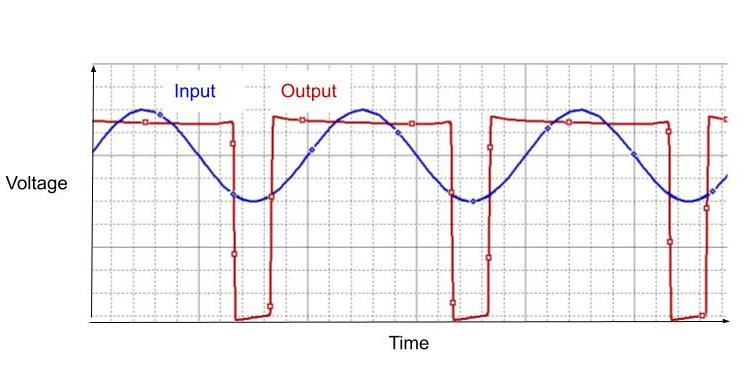
A fuzz pedal works by overloading the input signal from the guitar, amplifying it through a circuit that clips the waveform to create a distorted sound. This process introduces harmonics and alters the shape of the sound wave, resulting in a unique, gritty tone.
What kind of music is a fuzz pedal commonly used for?
A fuzz pedal is commonly used in genres such as rock, blues, and psychedelic music. It is particularly popular in classic rock songs and is favored by guitarists looking for a raw, edgy, and aggressive tone.
Can a fuzz pedal be used with other effects pedals?
Yes, a fuzz pedal can be used in combination with other effects pedals to create a wide range of unique sounds and textures. Experimenting with different pedal combinations can lead to innovative and personalized tones.
Final Thoughts
In summary, a fuzz pedal is a type of distortion effect that produces a warm, gritty, and fuzzy tone by clipping the audio signal. What does a fuzz pedal do? It adds sustain, harmonics, and a unique, saturated sound to your guitar or bass. Whether you’re playing rock, blues, or psychedelic music, a fuzz pedal can help you achieve that classic, vintage tone. Experience the raw power and character of a fuzz pedal for a truly distinctive and expressive sound.