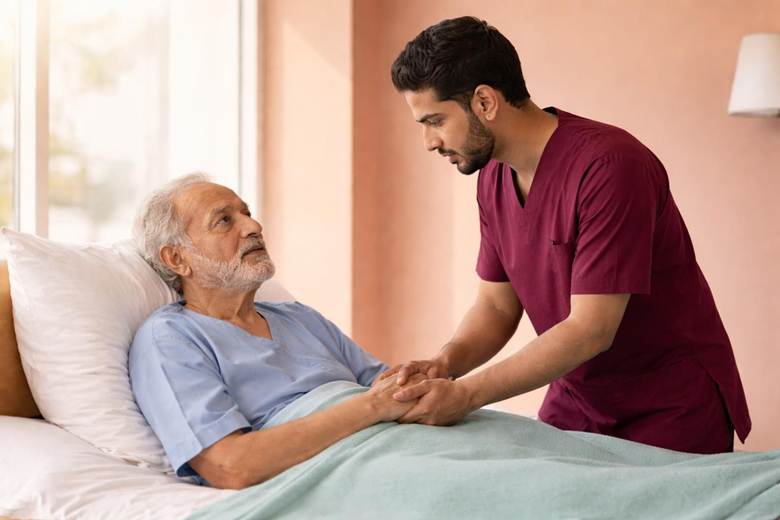
For many families, the term palliative care brings confusion, fear, and hesitation. It is often misunderstood as something meant only for the final stage of life, or worse, as a sign that treatment has failed. These misconceptions delay decisions that could otherwise improve comfort, reduce suffering, and bring much-needed clarity during difficult times.
In reality, palliative care is one of the most important aspects of modern healthcare. According to the World Health Organization, early access to pain and palliative care can significantly improve quality of life for patients with serious illnesses. Yet, in India, awareness is still limited, and myths continue to shape decisions more than facts.
Understanding what is true and what is not can help families make better, more confident choices.
Myth: Palliative Care Is Only for the Last Stage of Life
One of the most common beliefs is that palliative care is only needed when nothing else can be done. This is far from the truth.
In reality, pain and palliative care can begin at any stage of a serious illness. It works alongside ongoing treatment and helps patients manage symptoms, improve comfort, and maintain stability. Starting early often leads to better outcomes and a more manageable care journey.
Fact: Palliative Care Improves Daily Quality of Life
The primary goal of palliative care is to improve how a patient lives each day. It focuses on reducing discomfort, managing symptoms, and supporting emotional well-being.
With structured pain and palliative care, patients often experience better sleep, less anxiety, and more comfort in daily activities. These improvements may seem small, but they make a significant difference in overall quality of life.
Myth: Hospice Care and Palliative Care Are Exactly the Same
Many people use these terms interchangeably, assuming there is no difference between hospice care and palliative care.
The reality is that while they share similar goals, there is a difference in timing and approach. Palliative care can begin early in the illness and continue alongside treatment, whereas hospice care and palliative care overlap more in advanced stages when the focus is entirely on comfort rather than cure.
Understanding this difference helps families seek support at the right time instead of waiting too long.
Fact: Pain and Palliative Care Supports Both Patients and Families
A serious illness affects not just the patient, but the entire family. Caregiving can become physically and emotionally overwhelming.
Structured pain and palliative care supports both patients and families by providing guidance, emotional reassurance, and clarity in decision-making. It helps reduce stress and allows families to focus on meaningful time rather than constant worry.
Myth: Palliative Care Can Only Be Provided in Hospitals
Another common misconception is that palliative care is limited to hospital settings.
While hospital-based care plays an important role during acute phases, long-term support often works better in stable environments. Continuous pain and palliative care outside hospitals helps reduce frequent admissions and creates a more predictable routine for patients.
Professionally managed Care Home, Old age Homes, and assisted living setups today are increasingly designed to provide structured care, combining comfort with clinical support under one roof.
Fact: The Right Environment Makes Palliative Care More Effective
The effectiveness of palliative care depends not just on treatment, but also on the environment in which it is delivered.
Premium Old age Homes, assisted living, and Care Home environments are often used interchangeably and can offer a structured setup where medical care, daily living support, and monitoring come together. This ensures that pain and palliative recovery care is continuous, proactive, and well-coordinated.
Such environments reduce complications, improve stability, and create a more comfortable experience for patients.
Myth: Palliative Care Is Only About Pain Relief
Pain management is a key part of palliative care, but it is not the only focus.
Pain and palliative care also addresses emotional well-being, psychological support, and overall comfort. It helps patients cope with anxiety, fatigue, and loss of independence, while also guiding families through complex decisions.
The reality is that palliative care is holistic it supports every aspect of the patient’s journey.
Why Choosing an Established Provider Matters
While awareness about palliative care is growing, the quality of care can vary significantly depending on the provider.
Families should always choose experienced and established players who specialize in pain and palliative care. These providers bring structured protocols, trained teams, and systems designed to manage complex medical needs.
A professionally managed Care Home or structured setup ensures continuous monitoring, emergency readiness, and consistent support. Compared to unstructured environments, established providers offer better safety, accountability, and overall patient experience.
Cost of Palliative Care
The cost of palliative care depends on the patient’s condition, level of support required, and location. Structured environments such as Care Home, Old age Homes, or assisted living may vary in cost depending on the level of clinical support provided.
Disclaimer: Costs vary significantly based on services, city, and patient needs. Families should consult providers directly for accurate estimates.
FAQs: Understanding Palliative Care
- When should palliative care be started?
Palliative care can begin at any stage of a serious illness, not just at the end. In fact, starting pain and palliative care early helps manage symptoms better, improves comfort, and supports both patients and families throughout the treatment journey.
- What is the difference between hospice care and palliative care?
While both focus on comfort, there is a difference between hospice care and palliative care. Palliative care can be provided alongside ongoing treatment, whereas hospice care is usually considered when treatment is no longer focused on cure. Both aim to improve quality of life.
- Can palliative care be provided outside hospitals?
Yes, palliative care can be provided outside hospitals in structured environments such as Care Home, Old age Homes, or assisted living setups. In fact, long-term pain and palliative care is often more effective in stable, comfortable environments with continuous monitoring.
- How do I choose the right palliative care provider?
When choosing a provider for palliative care, it is important to look for established players with trained staff, proper clinical protocols, and emergency support systems. A well-managed Care Home or structured setup ensures better safety, consistency, and overall patient comfort.
Conclusion: Moving Beyond Myths to Better Care
Misconceptions around palliative care often prevent families from making timely decisions. Understanding the facts can help shift the focus from fear to informed action.
Whether it is through early pain and palliative care or understanding the role of hospice care and palliative care, the goal remains the same—to improve comfort, reduce suffering, and support both patients and families.
Because in the end, the purpose of care is not just to treat illness, but to ensure that life—at every stage—is lived with dignity and support.