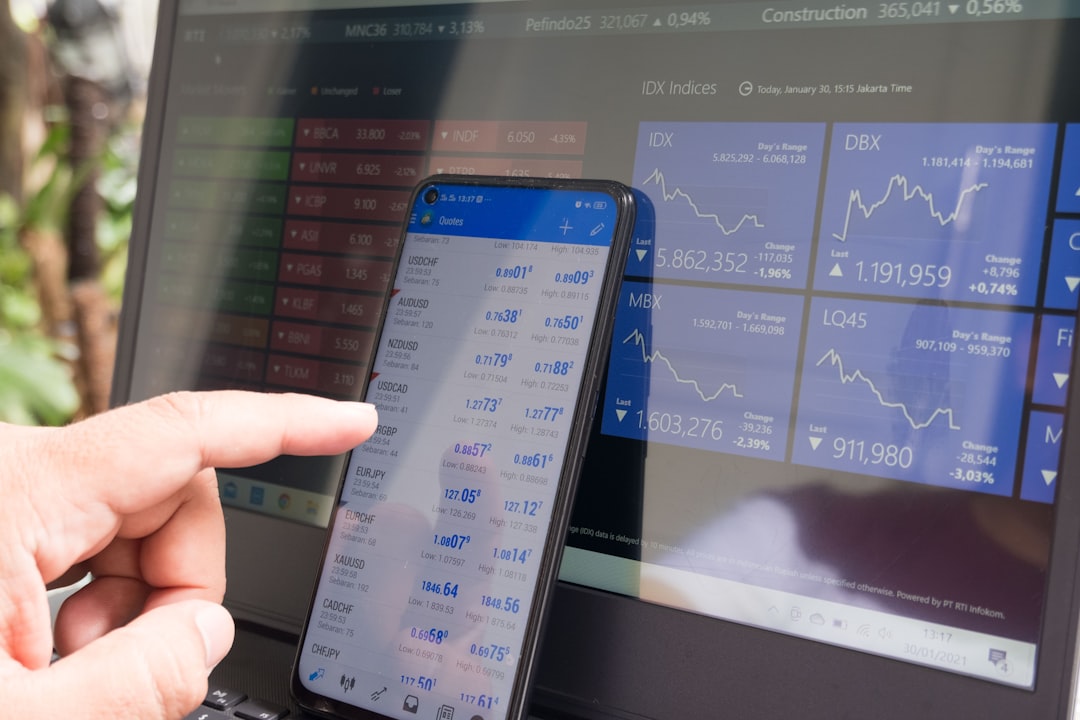
Mobile trading has become an important part of modern financial activity, allowing users to monitor markets, review charts, manage positions, and receive trading information directly from a smartphone. However, technical difficulties can interrupt this experience when an application does not perform as expected. A reliable forex trading app android should provide responsive navigation, stable connectivity, accurate market information, and convenient access to essential functions. Understanding the most common Android-related problems can help users identify whether an issue is caused by the application, device, internet connection, or account configuration.
In This Article
- Why Android Trading Applications Can Experience Problems
- Login and Authentication Difficulties
- Slow Application Performance
- Chart Display Problems
- Delayed Market Information
- Notification Problems
- Unexpected Application Closures
- Connectivity Errors
- Application Freezing During Important Actions
- Storage and Device Compatibility
- Security-Related Access Problems
- When Technical Support Is Necessary
- Final Considerations
Why Android Trading Applications Can Experience Problems
Android devices differ considerably in hardware, operating-system versions, screen sizes, background settings, and manufacturer-specific features. Because of this variation, an application that works smoothly on one device may occasionally behave differently on another.
Common problems include slow loading, unexpected application closures, delayed notifications, chart display issues, login difficulties, and connectivity interruptions. Some problems are temporary, while others can result from outdated software or incorrect device settings.
A useful first step is to identify exactly what is happening. Recording when the problem occurs and which feature is affected can make troubleshooting more efficient.
Login and Authentication Difficulties
Login problems are among the most common issues encountered by mobile users. An application may reject credentials, repeatedly return to the login screen, or fail to complete authentication.
The first step is to verify that the entered information is correct. Users should also check whether the keyboard has accidentally added spaces or changed characters through automatic correction.
If the credentials are correct, the problem may be related to connectivity or application sessions. Switching between available network connections can help determine whether the problem originates from the internet connection.
Users should avoid repeatedly entering credentials when an application is experiencing a temporary authentication problem. Checking the application’s official service information can also clarify whether maintenance or a technical interruption is occurring.
Slow Application Performance
A trading application may become sluggish when the Android device has limited available system resources. Multiple applications running simultaneously can consume memory and processing capacity.
Closing unnecessary applications can improve responsiveness. Restarting the device may also clear temporary system processes that are affecting performance.
Another useful step is to review the application cache through Android settings. Temporary cached information can occasionally become outdated or corrupted. Clearing cache, where supported, can resolve loading or interface problems without removing essential account information.
Users should distinguish between clearing cache and clearing application data. The latter may remove locally stored preferences and require another login.
Chart Display Problems
Charts are central to market analysis, so display problems can be particularly inconvenient. Users may encounter incomplete charts, missing indicators, incorrect scaling, frozen visual elements, or slow chart movement.
Such problems can arise from unstable connectivity, outdated application components, or excessive chart configuration. If many indicators and visual tools are active simultaneously, reducing unnecessary elements may make the interface more responsive.
Rotating the device between portrait and landscape orientation can also refresh the chart interface. If the chart remains frozen, closing and reopening the application may restore normal operation.
Users should also check whether the problem affects one instrument or multiple instruments. A problem involving one market may have a different technical explanation from an application-wide display issue.
Delayed Market Information
Market information depends on communication between the application and its supporting systems. When connectivity is unstable, information displayed on the device may not update smoothly.
A weak mobile connection, overloaded Wi-Fi network, or background data restriction can interfere with data transmission. Users should check whether Android has restricted background data for the application.
It is also important to understand that a visual delay does not necessarily indicate an issue with the market itself. The problem may simply involve communication between the device and the application.
When accurate and timely information is essential, users should confirm that the application is connected and displaying current session information before relying on its interface.
Notification Problems
Notifications can help users remain aware of market events, account activity, and other application messages. However, Android battery optimization settings may restrict background activity.
If notifications are not appearing, users should open Android’s notification settings and confirm that alerts are enabled for the application. Battery-saving modes should also be reviewed because aggressive background restrictions can prevent applications from operating continuously.
Some devices include manufacturer-specific power-management features that automatically limit background applications. Adjusting these settings may restore notifications.
Users should also distinguish between application notifications and device-level notifications. If all alerts are disabled at the operating-system level, changing settings inside the application alone may not solve the problem.
Unexpected Application Closures
Unexpected closures can occur because of software conflicts, outdated application versions, insufficient device resources, or corrupted temporary data.
Restarting the device is a straightforward first step. Users should then check whether an updated version of the application is available through the appropriate application store.
Android system updates should also be considered. An application may depend on system components that require a newer software environment.
If crashes happen only when opening a particular feature, users should note the exact sequence of actions. This information can be valuable when reporting the issue to technical support.
Connectivity Errors
Stable internet access is essential for mobile trading applications. Connection problems may appear as repeated loading screens, offline messages, failed requests, or incomplete pages.
Users can test the connection by opening other online services. If several applications are experiencing connectivity difficulties, the problem may be associated with the network rather than the trading application.
Switching between mobile data and Wi-Fi can help identify the source. Users should also check whether a VPN, firewall, private DNS configuration, or network filter is interfering with the connection.
Public networks may introduce additional restrictions. For important account activity, a stable and trusted connection is generally preferable.
Application Freezing During Important Actions
An application may occasionally stop responding while loading charts, changing screens, or processing a request. Users should avoid repeatedly tapping buttons when the interface appears frozen because repeated commands can create confusion about whether an action has been processed.
Waiting briefly and checking the application state is preferable. If the application remains unresponsive, it can be closed and reopened.
After restarting, users should carefully review the account interface before repeating an action. This is particularly important when the previous screen involved an account or trading instruction.
Storage and Device Compatibility
Insufficient device storage can affect overall Android performance. Applications may become slower when the device has very limited free space.
Removing unnecessary files, unused applications, and temporary media can improve general device performance. Users should also verify that their device meets the application’s current compatibility requirements.
Older Android versions may eventually stop receiving support for newer application features. Keeping the operating system and essential components updated can reduce compatibility-related problems.
Security-Related Access Problems
Security features can sometimes appear as technical problems. For example, a user may be required to complete additional verification after changing a device, reinstalling an application, or updating security settings.
Users should follow the application’s official authentication procedures rather than attempting to bypass security controls.
Suspicious login messages, unfamiliar verification requests, or unexpected account alerts should be treated carefully. Account credentials and authentication information should never be shared with unknown parties.
When Technical Support Is Necessary
Some problems cannot be resolved through basic troubleshooting. Persistent login failures, repeated application crashes, unexplained account restrictions, or data inconsistencies should be reported to official support.
When contacting support, users should provide the Android version, application version, device model, nature of the problem, and approximate time when it occurred. Screenshots can also help explain visual errors.
Avoid sharing passwords, authentication codes, or other confidential account information in support requests.
Final Considerations
Most Android trading application problems can be traced to connectivity, software compatibility, device settings, temporary data, or background restrictions. A structured troubleshooting process makes it easier to identify the underlying cause without making unnecessary changes.
Keeping the application and Android system updated, maintaining adequate device storage, reviewing notification permissions, and using a dependable internet connection can support smoother performance. When a problem continues despite these measures, official technical support remains the appropriate channel for account-specific or persistent issues.
Quick Summary
- Mobile trading allows users to manage their positions and receive trading information directly from their smartphones.
- Common Android-related issues in trading applications include slow loading, unexpected application closures, and login difficulties.
- Users experiencing login problems should first verify their credentials and check for connectivity issues before repeatedly entering login information.
- Clearing the application cache can resolve performance issues, but users should be cautious as clearing application data may remove locally stored preferences.
- Chart display problems can result from unstable connectivity or excessive chart configuration, and refreshing the display or restarting the app may help.
- Users should check notification settings and battery optimization features on their Android devices to ensure they receive timely alerts from trading applications.