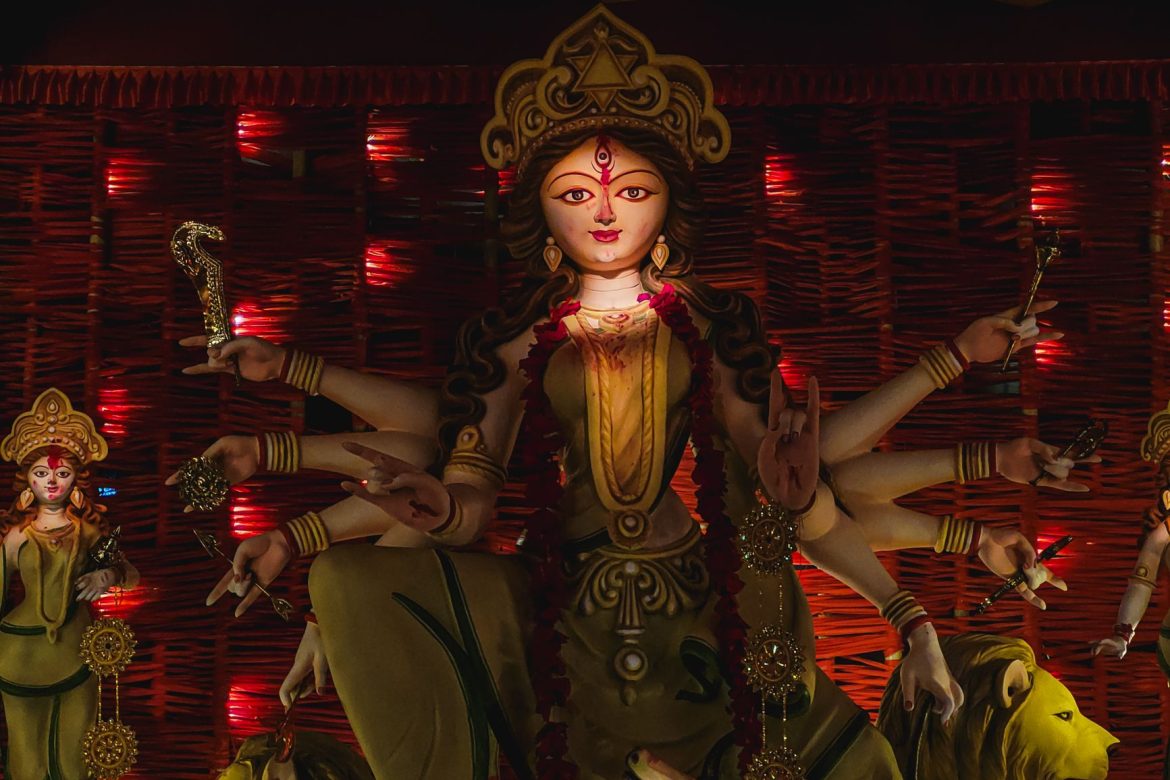
Durga Puja liquor ban has been officially announced by CM Suvendu Adhikari, effective on Maha Ashtami. This decision aims to uphold the sanctity of the festival.
Impact of the Durga Puja liquor ban
The announcement of a complete liquor ban during Maha Ashtami has sparked significant discussions among residents and visitors in West Bengal. The decision, aimed at preserving the sanctity of the Durga Puja festivities, is expected to have various impacts on the celebrations.
With the Durga Puja liquor ban in effect, many community organizers are optimistic that the atmosphere will remain respectful and family-friendly. This measure is anticipated to enhance the spiritual experience for devotees, allowing them to participate in rituals without distractions.
- Increased Religious Participation: Many believe that the prohibition will encourage more people to engage in puja activities, fostering a sense of community.
- Potential Economic Impact: Some local businesses that rely on alcohol sales may experience a decline in revenue during the festivities.
- Safety and Security: Authorities are hopeful that the ban will lead to fewer incidents of public disorder, ensuring a safer environment for everyone.
- Mixed Reactions: While some support the ban for its positive intentions, others argue it may limit personal freedoms and affect the celebratory spirit.
Overall, the complete prohibition on Maha Ashtami reflects a broader effort to balance tradition with modern values, emphasizing respect for cultural practices during one of the most important festivals in the region.
Reactions to the liquor prohibition
The announcement of a complete liquor ban on Maha Ashtami during Durga Puja has sparked a range of reactions from various segments of society. Many community leaders have expressed their support for the liquor prohibition, highlighting its importance in maintaining the sanctity of the festival. Durga Puja is a time of devotion and celebration, and the ban is seen as a way to promote family values and communal harmony.
On the other hand, some local businesses have voiced their concerns regarding the impact of the Durga Puja liquor ban on their sales. Liquor store owners and bar operators argue that the prohibition could lead to significant financial losses, especially during one of the busiest times of the year. They also claim that this could drive consumption underground, making it harder to regulate and monitor.
In contrast, many residents have welcomed the decision, believing it will reduce alcohol-related disturbances during the festivities. “It’s a step in the right direction,” said a local resident. “The festival should be about spirituality and unity, not drunkenness.”
Social media platforms have also seen a flurry of opinions, with users weighing in on both sides of the debate. While some celebrate the liquor ban, others argue for personal freedom and choice. The divisive reactions reflect the complex cultural dynamics at play as the city prepares for the upcoming festivities.
Durga Puja celebrations this year
This year, the Durga Puja celebrations in West Bengal are set against the backdrop of a significant liquor ban, particularly on Maha Ashtami. The announcement by Chief Minister Suvendu Adhikari has stirred various discussions among the locals and visitors alike. With the Durga Puja liquor ban in effect, the festivities are expected to take on a more traditional tone, as families and friends gather to honor the goddess Durga.
The vibrant atmosphere of Durga Puja is characterized by elaborate processions, cultural performances, and the delicious aroma of festive foods. This year, many organizers are focusing on enhancing the cultural aspects of the celebrations, ensuring that the spirit of the festival remains undiluted. As devotees flock to pandals, the absence of alcohol is anticipated to foster a more family-friendly environment.
To adapt to the new regulations, various events have been planned to keep the community engaged. Some of the highlighted activities include:
- Traditional dance performances
- Art and craft exhibitions showcasing local artisans
- Food stalls featuring authentic Bengali cuisine
- Religious discourses and cultural programs
As the festival approaches, many are looking forward to celebrating the essence of Durga Puja while embracing a more sober approach, reflecting the values and traditions of the community.
Government’s stance on public safety
The West Bengal government has reiterated its commitment to public safety during the festive season, particularly concerning the upcoming Durga Puja liquor ban. Chief Minister Suvendu Adhikari emphasized that the total prohibition of liquor on Maha Ashtami aims to ensure a safe and peaceful environment for all participants in the celebrations. The government believes that restricting alcohol consumption will significantly reduce the chances of disturbances and accidents during one of the most revered festivals in the region.
Officials have noted that the decision to impose a complete liquor ban during Maha Ashtami is not merely a regulatory measure but a step towards fostering community spirit. The Chief Minister stated, “We want everyone to enjoy the festivities without any fear or discomfort. The Durga Puja liquor ban is an essential part of this vision.”
To further underscore this stance, the government plans to increase police presence in areas known for large gatherings. Local authorities will work closely with community leaders to promote awareness about the importance of celebrating responsibly. In addition, educational campaigns will highlight the negative impacts of alcohol during the festivities.
As the Durga Puja celebrations draw closer, the government is urging citizens to embrace the spirit of unity and devotion, reinforcing that public safety remains a top priority amidst the festivities.
The Durga Puja liquor ban has sparked mixed reactions among devotees and local businesses alike. Many believe that the Durga Puja liquor ban will enhance the sanctity of the festivities, while others worry about its impact on tourism.
Photo by Monojit Dutta on Pexels