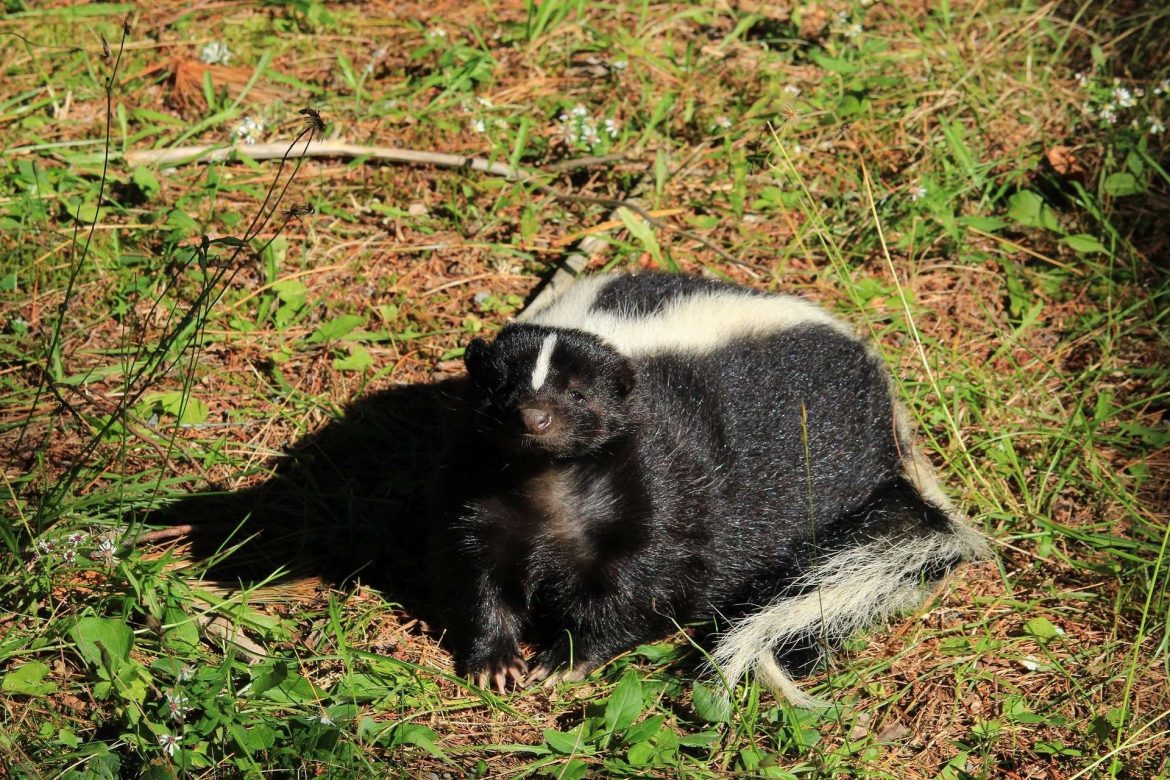
Ever caught a whiff of a scent so peculiar that it left you scratching your head in confusion? Well, if you’ve ever wondered what animal spray smells like burnt rubber, the answer lies in the intriguing world of skunks. Yes, that distinctive odor that seems to linger in the air like a reminder of nature’s defense mechanisms can be attributed to none other than our striped, furry friends. Join me on a journey as we delve into the fascinating world of skunks and uncover the secrets behind their unique olfactory signature.

What Animal Spray Smells Like Burnt Rubber
Imagine walking through a dense forest, the crisp leaves crunching beneath your feet, the gentle breeze rustling the branches above. Suddenly, a pungent odor hits your nostrils. It’s a smell like no other – sharp, acrid, and reminiscent of burnt rubber. You may be wondering, what animal spray could possibly emit such a distinctive and overpowering scent?
In nature, many animals use spray as a defense mechanism. When they feel threatened or in danger, they release a powerful spray that can deter predators or other threats. This spray is a potent concoction that contains chemicals specifically designed to repel or intimidate potential attackers.
The Skunk’s Stinky Defense
One of the most well-known animals that emit a spray with a burnt rubber-like smell is the skunk. Skunks are small, furry creatures with distinctive black and white markings. Despite their cute appearance, skunks possess a potent weapon in the form of their spray.
Skunk spray is produced by specialized glands located near the base of the animal’s tail. When a skunk feels threatened, it can aim and spray this noxious liquid at its target with remarkable accuracy. The spray contains sulfur compounds that give it its characteristic pungent odor, often described as similar to burnt rubber.
Understanding the Chemistry Behind the Smell
The burnt rubber scent of skunk spray is primarily due to the presence of thiols, which are sulfur-containing compounds. Thiols have a strong, offensive odor that can linger in the air for quite some time. When a skunk sprays its predator, the thiols in the spray create an immediate and unmistakable smell that is hard to miss.
Skunk spray is so potent that even a small amount can permeate the air and cling to surfaces, making it difficult to remove. The smell can be overwhelming and can linger for days, making it a highly effective defense mechanism for skunks.
Other Animals with Smelly Sprays
While skunks are perhaps the most famous for their smelly spray, they are not the only animals that use this defense mechanism. Other animals, such as certain species of insects and reptiles, also produce noxious sprays that can be equally unpleasant.
For example, some species of beetles release a defensive spray that contains chemicals such as quinones and hydroquinones. These compounds can have a strong, unpleasant odor that may be likened to burnt rubber or other synthetic smells.
Similarly, some species of snakes, like the hognose snake, can emit a foul-smelling musk when threatened. This musk is designed to deter predators and can have a strong, acrid smell that is reminiscent of burnt rubber or rotten eggs.
Dealing with the Smell
If you ever encounter the distinctive smell of burnt rubber in nature, it’s essential to proceed with caution. Skunks and other animals that produce foul-smelling sprays do so as a defense mechanism, and they may feel threatened if you get too close.
If you do happen to get sprayed by a skunk or encounter another animal with a smelly defense mechanism, there are a few steps you can take to minimize the odor. Washing the affected area with a mixture of baking soda, hydrogen peroxide, and dish soap can help neutralize the smell and break down the chemicals in the spray.
In conclusion, the smell of burnt rubber in nature is often associated with animals that use potent sprays as a defense mechanism. Skunks, beetles, snakes, and other creatures have developed specialized glands that produce noxious odors to deter predators or threats. Understanding the chemistry behind these smells can help us appreciate the fascinating ways in which animals have evolved to protect themselves in the wild. So, next time you catch a whiff of that distinctive burnt rubber scent, you’ll know that an animal with a powerful defense mechanism may be nearby.
DIY Dog Skunk Spray Smell Removal Recipe
Frequently Asked Questions
What animal spray has a scent similar to burnt rubber?
Skunks are known for emitting a pungent spray that has a strong resemblance to the smell of burnt rubber. When threatened or frightened, skunks release this spray as a defense mechanism to deter potential predators.
How can one avoid the smell of burnt rubber-like spray from skunks?
To prevent encountering the odor of skunk spray, it’s best to avoid startling or provoking skunks if you spot one. Keep a safe distance and move away slowly to prevent any defensive reactions. Additionally, securing garbage cans and sealing off any potential entry points into your property can help deter skunks from visiting.
Is the smell of burnt rubber associated with any other animals aside from skunks?
While skunks are primarily known for emitting a spray that smells like burnt rubber, some other animals may also have a similar odor when threatened or defending themselves. For example, some species of snakes release a musky scent that can be mistaken for the smell of burnt rubber in certain circumstances.
Final Thoughts
The distinct odor of animal spray resembles burnt rubber. It is pungent and lingering, often overpowering the senses. When encountering this smell, one may mistake it for something more mechanical than organic. Understanding what animal spray smells like burnt rubber can help in identifying the source quickly. In conclusion, the unmistakable scent of animal spray mirrors the acrid smell of burning rubber, making it easily recognizable.