Cohesive devices are essential tools in writing to ensure clarity and flow. They act as connectors that help link ideas and information together seamlessly, guiding the reader through the text. Pronouns, conjunctions, and transitional words are common examples of these devices. Mastering the art of using cohesive devices can greatly enhance the coherence of your writing, making it more engaging and easier to follow. Let’s delve deeper into what cohesive devices are and how they can elevate your writing to the next level.

What Are Cohesive Devices and How Do They Improve Your Writing?
Have you ever read a story that felt like a jumbled mess, where you couldn’t quite follow the flow of ideas? Or perhaps you’ve written a paragraph that seemed disjointed, with sentences that didn’t quite connect smoothly? Well, that’s where cohesive devices come in to save the day! But what exactly are cohesive devices, and how can they make your writing clearer and more engaging? Let’s dive in and explore this important element of writing together.
The Basics of Cohesive Devices
Cohesive devices are like the glue that holds your writing together. They are words, phrases, or techniques that help link ideas, sentences, and paragraphs to create a cohesive and coherent piece of writing. Think of cohesive devices as the building blocks that connect different parts of your writing, making it flow smoothly and logically for the reader.
Types of Cohesive Devices
There are several types of cohesive devices that writers use to make their writing more structured and organized. Let’s take a closer look at some common types of cohesive devices:
1. Pronouns
Pronouns are words that replace nouns in a sentence. Using pronouns like “he,” “she,” “it,” or “they” can help avoid repetition and make your writing more fluid. For example, instead of saying, “Sarah went to the store. Sarah bought some apples,” you can write, “Sarah went to the store and bought some apples.”
2. Conjunctions
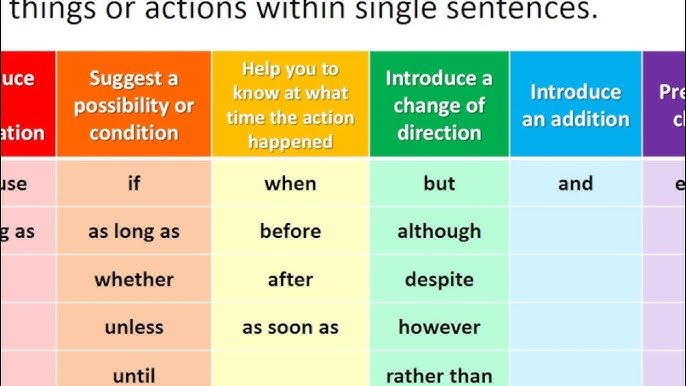
Conjunctions are words that connect different parts of a sentence or multiple sentences. Examples of conjunctions include “and,” “but,” “or,” “because,” and “so.” By using conjunctions, you can show the relationship between ideas and create a smooth transition between sentences.
3. Transition Words
Transition words are terms that indicate a shift from one idea to another. Examples of transition words include “however,” “meanwhile,” “therefore,” “in addition,” and “consequently.” These words help guide the reader through your writing and signal changes in thought or direction.
4. Repetition
Repetition involves using the same word or phrase multiple times throughout your writing to emphasize a point or create a sense of unity. When used strategically, repetition can reinforce key ideas and create a sense of cohesion in your writing.
Why Cohesive Devices Are Important
Now that we understand what cohesive devices are and the different types, let’s explore why they are essential for effective writing. Cohesive devices play a crucial role in improving the clarity, coherence, and readability of your writing. Here are some reasons why cohesive devices are important:
1. Enhance Readability
By using cohesive devices, you can make your writing easier to read and comprehend. Cohesive devices help create a smooth flow of ideas, allowing readers to follow your thoughts more easily and stay engaged with your writing.
2. Improve Clarity
Cohesive devices help clarify the relationships between different parts of your writing. They show how ideas are connected and help prevent confusion or misunderstandings. By using cohesive devices effectively, you can ensure that your message is communicated clearly to your audience.
3. Establish Logical Structure
Using cohesive devices helps establish a logical structure in your writing. They guide readers through your text, signaling important connections and transitions between ideas. This organization is essential for maintaining coherence and ensuring that your writing makes sense as a whole.
4. Create a Unified Piece
Cohesive devices help unify your writing and tie together disparate elements. By using pronouns, conjunctions, transition words, and repetition strategically, you can create a cohesive and integrated piece of writing that feels cohesive and complete.
Practical Tips for Using Cohesive Devices
Now that you understand the importance of cohesive devices in writing, let’s explore some practical tips for using them effectively in your own writing:
1. Be Consistent
Consistency is key when using cohesive devices. Make sure to use pronouns, conjunctions, transition words, and repetition consistently throughout your writing to maintain coherence and clarity.
2. Vary Your Cohesive Devices
While it’s essential to use cohesive devices, it’s also crucial to vary them to keep your writing interesting. Experiment with different pronouns, conjunctions, and transition words to add depth and complexity to your writing.
3. Use Them Sparingly
Although cohesive devices are valuable, using them too frequently can make your writing sound repetitive or mechanical. Use cohesive devices sparingly and purposefully to enhance your writing without overwhelming your reader.
4. Edit and Revise
After writing a draft, take the time to edit and revise your work to ensure that cohesive devices are used effectively. Look for opportunities to strengthen connections between ideas and improve the overall coherence of your writing.
In Conclusion
Cohesive devices are essential tools for creating well-structured and coherent writing. By mastering the use of pronouns, conjunctions, transition words, and repetition, you can elevate the quality of your writing and engage your readers more effectively. Remember to practice using cohesive devices in your writing and pay attention to how they enhance the flow and clarity of your ideas. With time and effort, you can become a master of cohesive devices and take your writing to the next level. Happy writing!
What are cohesive devices? | Oxford Owl
Frequently Asked Questions
What role do cohesive devices play in writing?
Cohesive devices are essential elements that help connect ideas within a text, improving the flow and coherence of the writing. They act as signposts for readers, guiding them through the text and showing the relationships between different parts of the content.
Can you provide examples of common cohesive devices?
Common cohesive devices include conjunctions (such as “and,” “but,” “or”), transition words (like “however,” “therefore,” “meanwhile”), pronouns (such as “it,” “they,” “this”), and referencing words (like “the former,” “the latter,” “the aforementioned”). These devices help create smooth transitions between sentences and paragraphs.
How do cohesive devices enhance the clarity of writing?
Cohesive devices make the connections between ideas explicit, making it easier for readers to follow the logical progression of the text. By using cohesive devices effectively, writers can ensure that their writing is clear, organized, and coherent.
Final Thoughts
In conclusion, cohesive devices play a crucial role in connecting ideas and creating a smooth flow in writing. They include linking words, pronouns, and referencing phrases that guide readers through the text. By using cohesive devices effectively, writers can ensure clarity and coherence in their writing. Understanding what cohesive devices are essential for enhancing the overall readability and comprehension of your text.