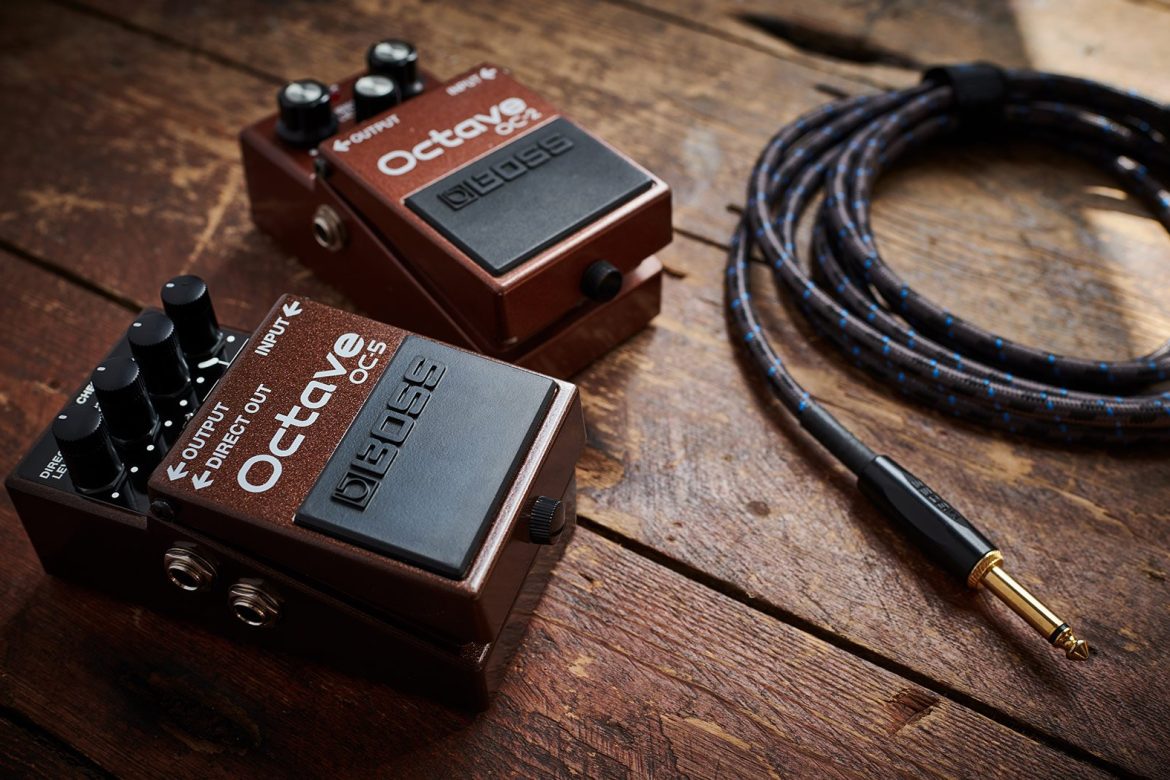
An octave pedal is your secret weapon for exploring new sonic dimensions. What does an octave pedal do? It elevates your guitar’s sound by adding rich, deep overtones that can transform your playing into a harmonious symphony. With just a tap of your foot, you’ll unlock a world of creative possibilities, from thick basslines to shimmering high notes. Ready to dive into the world of octave pedals and unleash your musical prowess? Let’s embark on this exhilarating journey together.

What Does an Octave Pedal Do: Exploring the Magic of Musical Effects
Welcome, music enthusiasts! Have you ever wondered how musicians create those deep, thunderous tones or ethereal high-pitched sounds that seem to transcend ordinary instruments? The secret lies in the fascinating world of effects pedals, and today, we’re diving into the realm of octave pedals. So, what does an octave pedal do? Let’s unravel this musical mystery together!
The Basics of Octave Pedals
Octave pedals are a type of effects pedal that allows musicians to alter the pitch of the notes they play. By generating tones that are one or more octaves above or below the original note, octave pedals open up a world of sonic possibilities. Whether you’re a guitarist, bassist, keyboardist, or any other instrumentalist, incorporating an octave pedal into your setup can elevate your music to new heights.
Adding Depth and Texture
One of the key functions of an octave pedal is to add depth and texture to your sound. By shifting the pitch of your notes up or down, you can create a fuller, richer sonic landscape that captures the listener’s attention. Whether you want to thicken up your guitar solos, create bass lines that shake the room, or add a sparkling layer of high-end shimmer to your melodies, an octave pedal is your ticket to sonic exploration.
Enhancing Your Creativity
Imagine being able to transform a simple riff into a complex symphony of sound with just the tap of a footswitch. That’s the power of an octave pedal. By experimenting with different octave settings and combining them with other effects pedals, you can unlock endless creative possibilities. From creating otherworldly soundscapes to adding a touch of magic to your live performances, an octave pedal is a versatile tool for any musician.
Exploring Different Octave Effects
Octave pedals come in various shapes and sizes, each offering a unique set of octave effects. Some pedals allow you to blend the original note with the octave-shifted tones, creating a harmonious blend of sounds. Others give you the option to shift multiple octaves up or down, opening the door to extreme sonic transformations. Whether you prefer subtle nuances or bold sonic experiments, there’s an octave pedal out there to suit your musical style.
Tracking and Latency
One important factor to consider when choosing an octave pedal is tracking and latency. Tracking refers to how accurately the pedal detects the notes you play and shifts them to the desired octave. A fast and precise tracking system ensures that your notes sound clean and clear, without any unwanted artifacts or glitches. Additionally, low latency is crucial for maintaining the natural feel and response of your instrument, especially during fast-paced passages or intricate musical phrases.
Integrating Octave Pedals into Your Setup
Now that you understand what an octave pedal does, you might be wondering how to incorporate it into your musical setup. Octave pedals typically connect between your instrument and amplifier, allowing you to control the octave effects with ease. Experiment with different settings, combine the octave pedal with other effects pedals, and let your creativity run wild. Whether you’re a beginner or a seasoned pro, an octave pedal can take your music to new heights and inspire endless musical possibilities.
Practice and Experimentation
As with any new musical tool, the key to mastering an octave pedal is practice and experimentation. Take the time to familiarize yourself with the pedal’s controls, explore different octave settings, and discover how they interact with your playing style. Don’t be afraid to push the boundaries and try new sounds – you never know what musical magic you might create!
Unlock the Power of Octave Pedals
In conclusion, an octave pedal is a versatile and powerful tool that can enhance your musical creativity and elevate your sound to new heights. By understanding what an octave pedal does and exploring its various effects, you can unleash a world of sonic possibilities that will mesmerize your audience and inspire your musical journey. So, go ahead, step on that footswitch, and let the magic of octave pedals transform your music into a sonic masterpiece!
EFFECTS 101: Octaver
Frequently Asked Questions
What is the purpose of an octave pedal?
An octave pedal is designed to alter the pitch of a musical signal by adding tones that are one or more octaves higher or lower than the original signal. This creates a thicker, fuller sound and can transform the way an instrument sounds.
How does an octave pedal work?
An octave pedal achieves its effect by using a circuit to process the incoming audio signal and generate additional frequencies that are either lower or higher in pitch. These new frequencies are then blended with the original signal to create the desired octave effect.
Can an octave pedal be used with any instrument?
Yes, an octave pedal can be used with most instruments that produce audio signals, such as electric guitars, bass guitars, keyboards, and even vocals. The pedal can help to enhance the sound of the instrument and open up new creative possibilities for musicians.
Are there different types of octave pedals available?
Yes, there are various types of octave pedals on the market, ranging from simple pedals that add a single octave up or down to more complex pedals that offer multiple octave settings, blend controls, and additional features like polyphonic tracking. It’s important to choose a pedal that suits your specific musical needs and preferences.
What are some common uses for an octave pedal?
Some common uses for an octave pedal include creating bass lines on a regular electric guitar, adding depth and richness to solos, and expanding the tonal range of an instrument. Musicians also use octave pedals to experiment with different sounds and textures, adding a unique flavor to their music.
Final Thoughts
In conclusion, an octave pedal is a versatile tool that adds depth and richness to your guitar sound. By shifting the pitch of your notes either up or down by an octave, it allows you to create a fuller and more dynamic sound. Whether you’re looking to thicken your solos or experiment with new sonic possibilities, an octave pedal can help you achieve a unique and exciting sound. So, next time you’re looking to enhance your guitar playing, consider adding an octave pedal to your pedalboard.