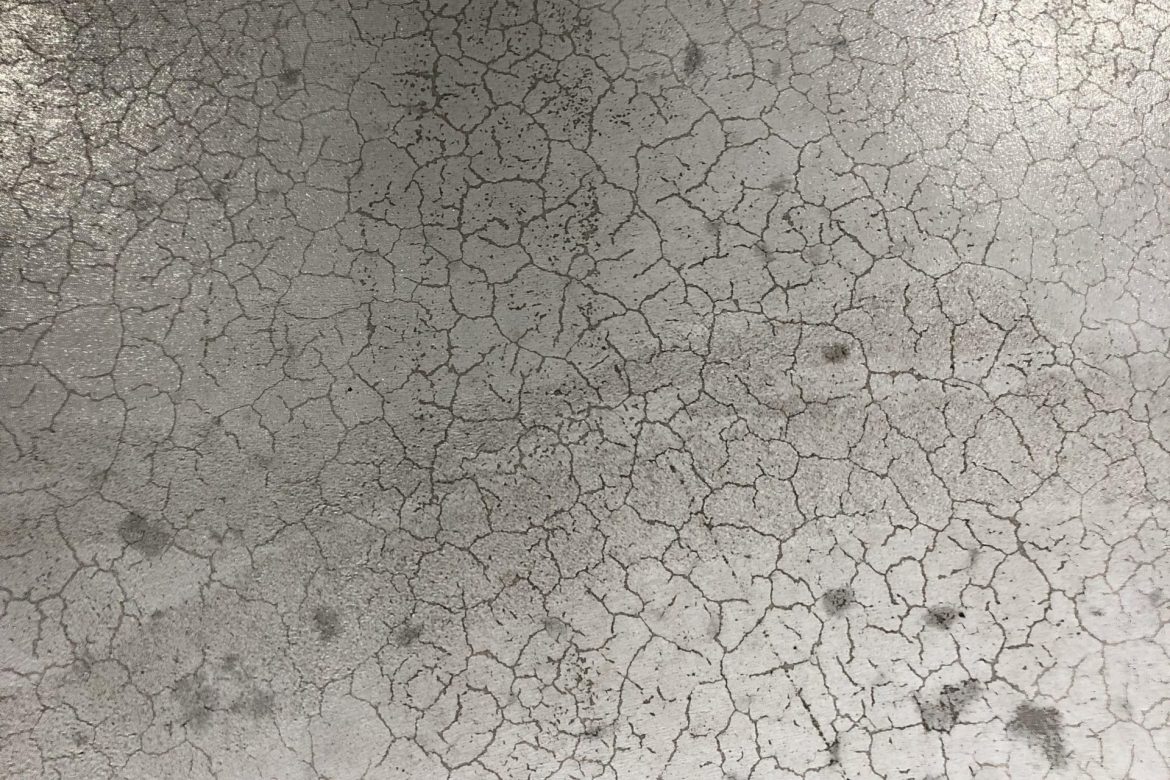
Sealing concrete too soon can lead to a range of issues. The process of concrete sealing is crucial for protecting the surface and enhancing durability. However, timing is key. If you seal concrete before it has properly cured, you risk trapping moisture and air inside, leading to potential cracking and delamination. It’s essential to understand the consequences of sealing concrete prematurely to ensure a successful and long-lasting finish.

What Happens if You Seal Concrete Too Soon
Have you ever wondered what happens if you seal concrete too soon? When it comes to working with concrete, timing is crucial. Sealing concrete too soon can lead to a range of issues that can affect the durability and appearance of your concrete surface. In this article, we will explore the effects of sealing concrete prematurely and provide you with valuable insights to help you avoid common pitfalls.
The Importance of Curing Concrete
Before we delve into the consequences of sealing concrete too soon, let’s first understand the importance of allowing concrete to cure properly. Curing is the process by which concrete develops its strength and durability over time. During this period, the concrete undergoes chemical reactions that help it achieve its full potential. Proper curing is essential for ensuring that the concrete can withstand the test of time.
When fresh concrete is poured, it needs time to hydrate and harden. This process typically takes around 28 days, during which the concrete gains strength and durability. Sealing concrete prematurely can disrupt this crucial curing process and lead to a host of issues.
Effects of Sealing Concrete Too Soon
Trapped Moisture
One of the primary risks of sealing concrete too soon is trapping moisture within the concrete. When you apply a sealer before the concrete has fully cured, any moisture present in the concrete can become trapped beneath the sealer. This trapped moisture can lead to a range of problems, including efflorescence, spalling, and delamination.
Efflorescence occurs when mineral salts are brought to the surface of the concrete due to moisture migration. This can result in unsightly white streaks or deposits on the surface of the concrete. Spalling and delamination, on the other hand, involve the separation of layers within the concrete due to moisture pressure, leading to cracking and flaking.
Reduced Adhesion
Sealing concrete too soon can also result in reduced adhesion between the concrete surface and the sealer. Properly cured concrete provides a strong, stable surface for the sealer to bond to. When the concrete is sealed prematurely, the sealer may not adhere properly, leading to peeling, bubbling, or flaking.
Poor adhesion can compromise the effectiveness of the sealer and result in premature wear and degradation of the concrete surface. This can necessitate costly repairs and resealing to rectify the issue, adding unnecessary time and expense to your project.
Staining and Discoloration
Another consequence of sealing concrete too soon is the potential for staining and discoloration. Inadequately cured concrete may still contain soluble salts and other compounds that can react with the sealer, causing discoloration or staining on the surface.
Additionally, if the concrete is sealed before it has had a chance to fully cure and release excess moisture, the sealer may trap impurities or contaminants within the concrete, leading to unsightly stains and discoloration over time.
How to Avoid Sealing Concrete Too Soon
Now that we’ve explored the negative effects of sealing concrete prematurely, let’s discuss some tips on how to avoid this common mistake:
Proper Curing
Ensure that the concrete has had sufficient time to cure before applying a sealer. Follow the recommended curing time provided by the concrete manufacturer and consider factors such as temperature, humidity, and air circulation that can affect the curing process.
Moisture Testing
Perform moisture testing on the concrete surface before applying a sealer. Use methods such as plastic sheet testing or moisture meters to determine if the concrete is dry enough to be sealed. Avoid sealing if moisture is present to prevent trapping it beneath the sealer.
Surface Preparation
Properly prepare the concrete surface before sealing by cleaning it thoroughly and allowing it to dry completely. Remove any contaminants, dirt, or debris that could interfere with the adhesion of the sealer. This will help ensure a strong bond between the concrete and the sealer.
Sealing concrete is a crucial step in protecting and enhancing the durability of your concrete surfaces. However, sealing concrete too soon can have detrimental effects on the appearance and longevity of the concrete. By understanding the risks associated with premature sealing and following best practices for concrete maintenance, you can ensure that your concrete surfaces remain strong and beautiful for years to come.
Remember, patience is key when working with concrete. Allow your concrete to cure properly before applying a sealer to avoid common pitfalls and enjoy the benefits of a well-maintained and long-lasting concrete surface.
What Happens If You Seal Concrete Too Soon? – Civil Engineering Explained
Frequently Asked Questions
What is the risk of sealing concrete too soon?
Sealing concrete too soon can trap excess moisture and volatile chemicals in the concrete, preventing them from properly evaporating. This can lead to various issues such as efflorescence, bubbling, delamination, and discoloration.
How long should you wait before sealing freshly poured concrete?
It is generally recommended to wait at least 28 days before sealing newly poured concrete to allow it to properly cure and reach sufficient strength. However, curing times may vary based on factors like temperature, humidity, and concrete mix.
What are the signs that concrete is ready to be sealed?
Before sealing concrete, ensure it is thoroughly dry, free of any moisture or efflorescence, and has had ample time to cure. Conduct a moisture test or perform a plastic sheet test to confirm that the concrete is ready for sealing.
Can sealing concrete too soon cause long-term damage?
Yes, sealing concrete prematurely can have long-term consequences, as it may lead to decreased adhesion of the sealer, trapped moisture causing cracking or spalling, and overall reduced durability and lifespan of the concrete surface.
Final Thoughts
Sealing concrete too soon traps moisture, leading to a weak, discolored surface prone to cracking and peeling. Avoid sealing before the concrete has fully cured, typically waiting at least 28 days. Rushing the process can result in costly repairs and a compromised finish. Patience is key to achieving a durable, long-lasting concrete surface. Remember, what happens if you seal concrete too soon can impact the longevity and aesthetics of your project.