A megacity, in the realm of AP Human Geography, is a dynamic urban giant that encapsulates the epitome of population density and urbanization. These metropolises serve as epicenters of culture, economy, and innovation, shaping the global landscape in profound ways. As we delve into the concept of what is a megacity AP Human Geography, we uncover the intricate interplay between rapid urban growth, social dynamics, and environmental challenges. Join us on a journey through the complexities and significance of these colossal urban entities.

Exploring Megacities in AP Human Geography
Welcome, curious minds! Today, we are embarking on a journey to uncover the fascinating world of megacities through the lens of AP Human Geography. So, what exactly is a megacity in the realm of human geography? Let’s delve deeper into this captivating topic together!
Understanding Megacities
Megacities are urban areas that boast a population of over 10 million inhabitants. These colossal metropolises serve as hubs of economic, social, and cultural activity, pulsating with energy and diversity. In AP Human Geography, the study of megacities offers invaluable insights into the dynamics of human interactions within densely populated spaces.
Population Growth and Urbanization
One of the key aspects that make megacities a focal point in AP Human Geography is their rapid population growth and urbanization trends. As rural populations migrate to urban centers in search of better opportunities, megacities experience unprecedented expansion, leading to complex demographic patterns.
Impacts on Infrastructure
The influx of inhabitants in megacities puts immense pressure on infrastructure such as transportation, housing, and sanitation systems. As these areas struggle to keep pace with the surging population, issues like traffic congestion, housing shortages, and waste management challenges become prevalent.
Socio-Economic Disparities
Within the sprawling landscapes of megacities, stark socio-economic disparities often emerge, highlighting the inequality prevalent in urban environments. The contrast between affluent neighborhoods and informal settlements sheds light on the complexities of human geography and the distribution of resources.
Cultural Mosaic of Megacities
One of the most captivating aspects of megacities is the rich tapestry of cultures and traditions that coexist within these vibrant urban spaces. In AP Human Geography, the exploration of cultural diversity within megacities unravels the intricate connections between migration, globalization, and identity.
Global Influence
Megacities serve as global hubs that shape trends in fashion, cuisine, art, and entertainment, influencing not only their immediate residents but also reaching far beyond their borders. The cultural exchanges that occur within megacities create a melting pot of ideas and perspectives, enriching the human experience.
Urban Planning and Architecture
The unique urban landscapes of megacities offer a canvas for innovative urban planning and architectural marvels. From towering skyscrapers to sprawling green spaces, megacities showcase the fusion of tradition and modernity, reflecting the aspirations and visions of their inhabitants.
Environmental Challenges
Despite their allure, megacities grapple with significant environmental challenges that stem from rapid urbanization and industrialization. Issues such as air pollution, water scarcity, and deforestation pose formidable obstacles to sustainability and the well-being of both residents and the natural environment.
Sustainable Solutions
In AP Human Geography, the exploration of sustainable practices within megacities offers a glimpse into innovative solutions aimed at mitigating environmental impact. Initiatives such as green infrastructure, renewable energy projects, and waste management strategies play a crucial role in fostering a more sustainable future for megacities.
Resilience and Adaptation
The resilience of megacities in the face of environmental challenges is a testament to human ingenuity and adaptability. Through urban resilience strategies and community-driven initiatives, megacities strive to build a more sustainable and environmentally conscious future for generations to come.
As we wrap up our exploration of megacities in the context of AP Human Geography, we have gained a deeper understanding of the complexities and dynamics that define these urban giants. From population growth and cultural diversity to environmental challenges and urban planning, megacities offer a microcosm of the broader human experience, encapsulating the triumphs and tribulations of urban life.
So, the next time you gaze upon the towering skyscrapers and bustling streets of a megacity, remember the intricate tapestry of human interactions and aspirations that weave together to form the vibrant mosaic of urban life.
Thank you for joining us on this enlightening journey through the world of megacities in AP Human Geography. Until next time, keep exploring, questioning, and discovering the wonders of our ever-evolving planet!
Boomburbs, Exurbs, Edge Cities, Mega/Meta Cities, Oh My! [AP Human Geography Unit 6 Topic 2] (6.2)
Frequently Asked Questions
What defines a megacity in AP Human Geography?
A megacity in AP Human Geography is typically defined as an urban area with a population of over 10 million people. These urban centers have significant economic, social, and political influence both within their own country and on a global scale. Megacities are characterized by their size, population density, and complex infrastructure.
How do megacities impact the environment?
Megacities can have significant environmental impacts due to factors such as high levels of pollution, increased traffic congestion, and greater demands for resources. The concentration of people and industries in a megacity can lead to issues such as air and water pollution, deforestation, and loss of biodiversity. Urban planning and sustainable development strategies are crucial to address these environmental challenges.
What are some examples of megacities around the world?
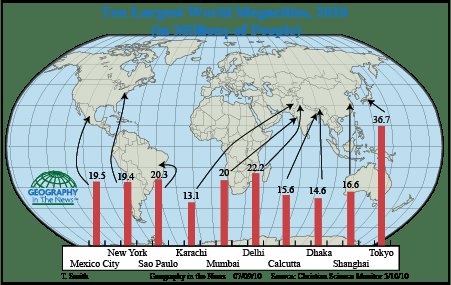
Some examples of megacities around the world include Tokyo, Japan; New York City, USA; Shanghai, China; and Sao Paulo, Brazil. These urban areas are among the most populous and economically influential cities globally, contributing to various aspects of culture, trade, and innovation. Each megacity has its unique characteristics and challenges, shaping its identity and global significance.
Final Thoughts
In AP Human Geography, a megacity is defined as a metropolitan area with a population of over 10 million people. These urban areas face unique social, economic, and environmental challenges due to their sheer size and rapid growth. Understanding what is a megacity AP Human Geography is crucial for analyzing urbanization trends and developing sustainable solutions for the future. Megacities serve as hubs of innovation, culture, and economic activity, playing a significant role in shaping the global landscape.