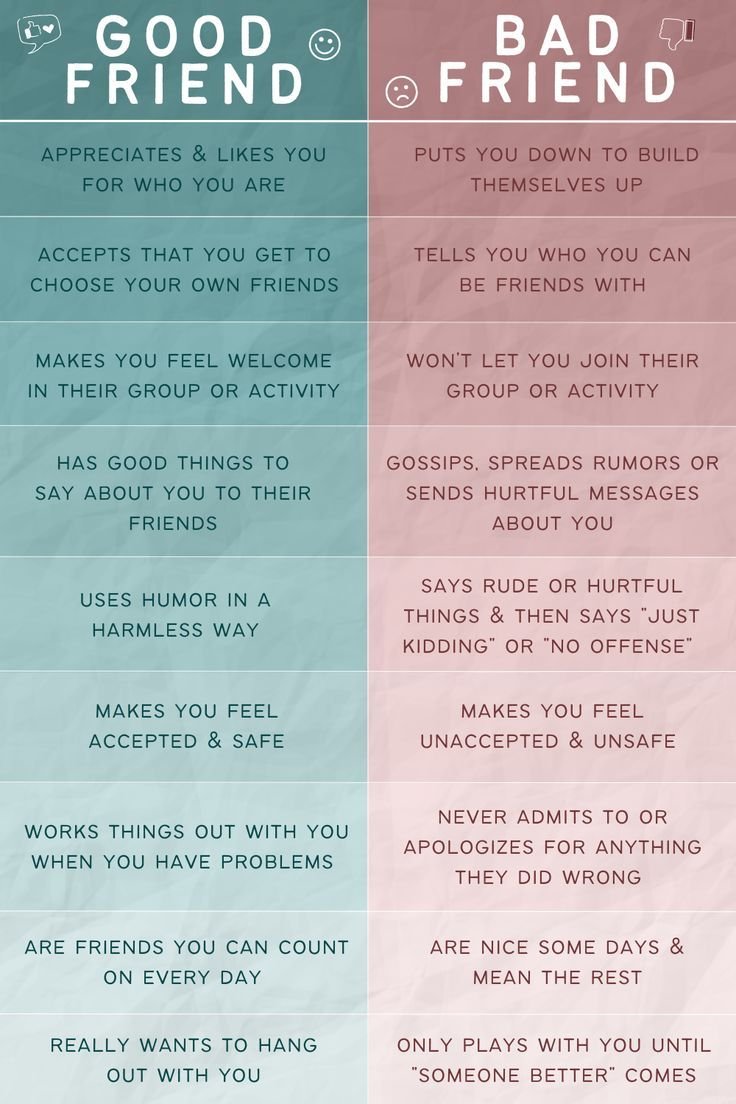
A bad friend lacks empathy, support, and honesty. They drain your energy, betray your trust, and are never there when you need them most. Toxic traits like jealousy, manipulation, and constant negativity define what makes a bad friend. Let’s explore the subtle warning signs and red flags that indicate a friendship gone wrong. It’s crucial to identify these toxic behaviors early to protect your mental and emotional well-being. Remember, a true friend lifts you up, not tears you down.

Exploring What Makes a Bad Friend
Friends are an essential part of life. They bring joy, companionship, and support. However, not all friends are good for us. Some friends may exhibit behaviors that are harmful or toxic. In this article, we will delve into the characteristics that define a bad friend and discuss how to recognize and deal with such individuals.
1. Lack of Trustworthiness
One of the key qualities of a good friend is trustworthiness. A bad friend is someone who cannot be relied upon. They may gossip about you behind your back, break promises, or betray your trust. Trust is the foundation of any friendship, and without it, the relationship is bound to suffer.
2. Selfish Behavior
Friendship is a two-way street, where both individuals should give and receive support. A bad friend is often selfish and only concerned with their own needs. They may constantly talk about themselves, dismiss your feelings, or only reach out when they need something from you. It’s essential to have friends who reciprocate the care and attention you give them.
3. Lack of Empathy
Empathy is the ability to understand and share the feelings of another person. A bad friend lacks empathy and may not be able to relate to your emotions or provide support when you need it. They may be insensitive to your struggles or dismissive of your concerns. True friends are there for you in both good and bad times, offering a listening ear and a shoulder to lean on.
4. Destructive Influence
A bad friend can have a negative influence on your life. They may encourage you to engage in harmful behaviors, such as substance abuse, lying, or bullying. Surrounding yourself with friends who lead you down the wrong path can have serious consequences on your well-being and future. It’s crucial to choose friends who uplift and inspire you to be your best self.
5. Lack of Respect
Respect is the cornerstone of any healthy relationship. A bad friend may disrespect your boundaries, belittle your opinions, or treat you poorly. Friendship should be based on mutual respect and understanding. If a friend consistently disrespects you, it may be a sign that the relationship is toxic and harmful to your mental health.
6. Lack of Communication
Open and honest communication is vital in any friendship. A bad friend may avoid discussing important issues, ignore your messages, or bottle up their emotions. Effective communication helps build trust and strengthen the bond between friends. If a friend is unwilling to communicate or resolve conflicts, it may indicate a lack of investment in the friendship.
7. Jealousy and Competition
Healthy friendships are built on support and encouragement. A bad friend may feel jealous of your successes or try to compete with you in a negative way. They may undermine your achievements, downplay your strengths, or try to outdo you at every opportunity. Friendship should be a source of celebration, not competition. Surround yourself with friends who genuinely cheer you on.
8. Manipulative Behavior
A bad friend may manipulate you for their own gain. They may use guilt trips, emotional blackmail, or manipulation tactics to control your actions or decisions. Manipulative friends can be toxic and draining, as they prioritize their needs over yours. It’s crucial to recognize these behaviors and set boundaries to protect yourself from being manipulated.
Dealing with Bad Friends
Recognizing the signs of a bad friend is the first step towards maintaining healthy relationships. If you find yourself in a friendship that is toxic or harmful, it’s important to address the issue and set boundaries. Communicate your feelings honestly and assertively, and be prepared to walk away if the friendship does not improve.
Surround yourself with friends who uplift and support you, who respect and value your feelings, and who genuinely care about your well-being. Remember, it’s okay to outgrow friendships that no longer serve you or bring positivity into your life.
By understanding what makes a bad friend and taking proactive steps to cultivate positive relationships, you can create a circle of friends who bring out the best in you and enhance your overall happiness and well-being.
4 Differences Between Good Friends and Toxic Friends
Frequently Asked Questions
What behaviors indicate a bad friend?
Bad friends exhibit traits such as dishonesty, betrayal, selfishness, unreliability, negativity, and lack of empathy. They may constantly put their needs ahead of yours, gossip about you behind your back, or fail to support you in times of need.
How can you identify a toxic friendship?
Toxic friendships often involve feelings of being drained, unappreciated, or undervalued. If you constantly feel stressed, anxious, or upset after spending time with a friend, or if the relationship is one-sided where you are always giving and receiving little in return, it may be toxic.
What should you do if you realize you have a bad friend?
If you recognize that a friend is not treating you well or the friendship is toxic, it’s important to set boundaries, communicate your feelings, and consider distancing yourself from the individual. Prioritize your well-being and surround yourself with positive, supportive individuals.
Final Thoughts
In conclusion, a bad friend is someone who lacks empathy, constantly betrays your trust, and doesn’t support you through thick and thin. They prioritize their needs over yours, are unreliable, and have a negative influence on your well-being. Ultimately, what makes a bad friend is their inability to be there for you, show genuine care, and respect the boundaries of your friendship. Remember, surrounding yourself with positive and supportive individuals is key to fostering healthy relationships and personal growth.