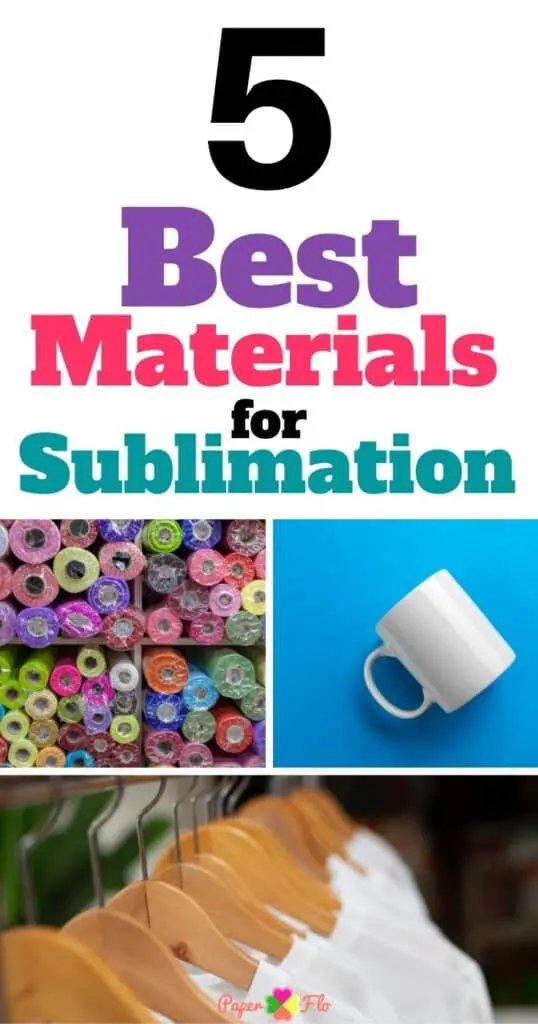
Sublimation printing opens up a world of possibilities for creating personalized items, but the key question remains: what materials can you sublimate on? The answer is quite versatile. From polyester fabrics to ceramic, metal, and even certain plastics, the options are vast. Each material offers unique characteristics that influence the final product’s quality and durability. Understanding the best materials to sublimate on can elevate your projects to a professional level. Let’s delve into the realm of sublimation and explore the potential of various substrates.

Exploring the World of Sublimation: What Materials Can You Sublimate On?
Welcome, young creators, to an exciting journey into the colorful realm of sublimation! Have you ever wondered what magical materials can be transformed into vibrant works of art with sublimation printing? Let’s dive in and discover the vast array of surfaces that can be sublimated on to unleash your creativity!
The Basics of Sublimation Printing
Before we delve into the world of materials suitable for sublimation, let’s understand the essence of this fascinating process. Sublimation printing is a method where heat and pressure are used to transfer dye onto various materials, resulting in brilliant and long-lasting designs. The magic happens when the solid dye particles turn into a gas without passing through the liquid stage, merging with the fabric or coating to create a permanent image. Now that we have the basics covered, let’s explore the exciting materials you can sublimate on!
Sublimation-Friendly Materials
1. Polyester Fabrics
Polyester is like a best friend to sublimation printing. Its synthetic fibers eagerly welcome the sublimation dyes, resulting in vivid, wash-resistant prints. T-shirts, hoodies, and other polyester garments are perfect for showcasing your unique designs. Remember, the higher the polyester content, the more vibrant your sublimated print will be!
2. Ceramic and Glass
Your creativity knows no bounds when it comes to sublimating on ceramic and glass surfaces. Mugs, coasters, and ornaments are popular choices for sublimation, allowing you to add a personal touch to everyday items. The glossy finish of these materials beautifully showcases your designs, making them perfect for gifts or personal keepsakes.
3. Aluminum and Metal
For a sleek and modern look, turn to aluminum and metal substrates for sublimation printing. Keychains, license plates, and photo panels are just a few examples of items that can be transformed with your designs. The reflective quality of metal surfaces adds a unique dimension to your creations, making them stand out in style.
4. Wood and Hardboard
Nature meets artistry when you sublimate on wood and hardboard materials. Coasters, plaques, and puzzles come to life with vibrant colors and intricate details when subjected to the sublimation process. The organic feel of wood adds warmth to your designs, creating pieces that are both visually appealing and charming.
5. Polyester-Coated Products
Expand your sublimation horizons with polyester-coated products that are specially formulated to receive sublimation dyes. From phone cases to mouse pads, these items offer a versatile canvas for your designs. The smooth finish of polyester coatings ensures that your prints are crisp and durable, ready to accompany you in style.
Tips for Successful Sublimation
As you embark on your sublimation adventures, remember these handy tips to achieve the best results:
- Ensure a clean and smooth surface for sublimation printing to prevent imperfections in your designs.
- Use high-quality sublimation inks and transfer paper for vibrant and long-lasting prints.
- Adjust your heat press settings according to the material you are sublimating on for optimal transfer results.
- Experiment with different designs and color combinations to unleash your creativity and create unique pieces.
Congratulations, young artists, on unlocking the treasure trove of materials you can sublimate on! From polyester fabrics to ceramic surfaces, the world of sublimation offers endless possibilities for you to express your creativity. So, grab your favorite sublimation materials and let your imagination soar as you embark on a colorful journey of design and innovation!
Remember, the key to successful sublimation lies in experimentation, passion, and a touch of magic. Now, go forth and create wonders with your newfound knowledge of what materials you can sublimate on!
Should I Buy a Sublimation Printer: 5 Things to Know to Avoid Buyers Remorse
Frequently Asked Questions
What materials can I sublimate on?
You can sublimate on a variety of materials, including polyester fabric, ceramic, metal, glass, and certain plastics. These materials should have a special coating that allows the sublimation ink to bond effectively.
Can I sublimate on cotton or other natural fabrics?
Sublimation works best on materials with a high polyester content. While it is possible to sublimate on blends that contain some polyester, the colors may not be as vibrant or long-lasting compared to sublimating on 100% polyester fabric.
Is it possible to sublimate on wood or paper products?
Sublimation is generally not suitable for wood or paper products as they do not have the necessary coating to bond with the sublimation ink. For these materials, other printing methods like heat transfer or direct printing would be more appropriate.
Final Thoughts
In conclusion, sublimation allows for vibrant designs on a variety of materials. You can sublimate on polyester fabrics, such as t-shirts and pillowcases, for durable and vivid results. Other suitable surfaces include ceramic mugs, metal sheets, and polyester-coated items. The versatility of sublimation makes it a popular choice for creating personalized gifts and products. Remember, when considering what materials can you sublimate on, the key is to ensure they have a polyester-based coating.