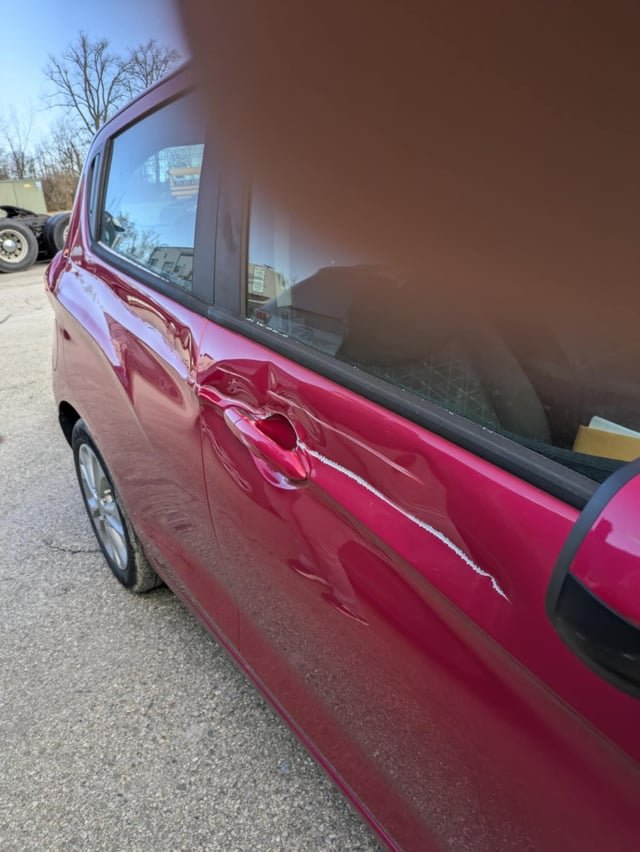
If your vehicle is damaged during repossession, act promptly. Take photos of the damage, contact the repossession company and your lender immediately. Document all communication and gather repair estimates. Remember, you have rights in this situation. Stay informed and assertive to ensure fair treatment.

What to Do If Your Vehicle is Damaged During Repossession
Introduction
Imagine waking up one morning to find that your car has been repossessed, and to make matters worse, it has been damaged during the process. This can be a stressful and overwhelming situation, but it’s important to stay calm and know your rights. In this guide, we will walk you through what steps you can take if your vehicle is damaged during repossession.
Understanding Repossession
Repossession is when a creditor takes back a piece of property, usually a vehicle, because the borrower has failed to make payments on time. While creditors have the right to repossess property if you default on your loan agreement, they must follow specific rules and guidelines during the repossession process.
Legal Protections
In most states, there are laws that govern how repossession can be conducted. Creditors are generally not allowed to breach the peace during a repossession, which means they cannot use excessive force or threaten you in any way. If your vehicle has been damaged during repossession, it’s crucial to document the damage as soon as possible.
Steps to Take If Your Vehicle is Damaged
If you discover that your vehicle has been damaged during repossession, follow these steps to protect your rights and potentially seek compensation for the damages:
1. Document the Damage
The first thing you should do is document the damage to your vehicle thoroughly. Take pictures and videos from multiple angles, capturing all the visible damage caused during the repossession process. This documentation will serve as crucial evidence if you need to file a claim.
2. Contact the Creditor
Reach out to the creditor who repossessed your vehicle as soon as possible. Inform them about the damage and provide them with the documentation you have collected. Ask for information on their process for handling damaged vehicles during repossession.
3. Review Your Contract
Take some time to review your loan agreement and the terms of repossession outlined in the contract. Look for any specific clauses related to damaged property during repossession. Understanding your rights based on the contract can help you navigate the situation more effectively.
4. File a Complaint
If you believe that the creditor or repossession company acted negligently or unlawfully during the repossession, you have the right to file a complaint. Contact your state’s attorney general’s office or consumer protection agency to report the incident and seek guidance on next steps.
Seeking Compensation for Damages
If your vehicle has sustained significant damage during repossession, you may be entitled to compensation for the repairs or the diminished value of the vehicle. Here are some avenues to explore:
1. Insurance Coverage
Check if your auto insurance policy covers damages resulting from repossession. Some policies may offer protection in such scenarios, so it’s worth contacting your insurance provider to inquire about your coverage options.
2. Legal Assistance
Consider consulting with a consumer rights attorney who specializes in repossession cases. An attorney can review your situation, assess the damages, and help you understand your legal rights and options for seeking compensation.
3. Small Claims Court
If the creditor refuses to take responsibility for the damage or compensate you adequately, you may consider filing a claim in small claims court. Small claims court is designed to handle disputes involving smaller amounts of money, making it a viable option for pursuing damages related to repossession.
Protecting Your Rights
Dealing with a damaged vehicle during repossession can be a frustrating experience, but it’s important to assert your rights and take proactive steps to address the situation. By documenting the damage, communicating with the creditor, and seeking legal guidance if needed, you can work towards resolving the issue and potentially recovering compensation for the damages incurred.
In conclusion, if your vehicle is damaged during repossession, remember to stay informed, document the damage, and explore your options for seeking compensation. Knowing your rights and taking appropriate actions can help you navigate this challenging situation with more confidence. Remember that you are not alone, and there are resources available to support you through the process of addressing damage caused during repossession.
How Do Repo Companies Find Cars?
Frequently Asked Questions
How can I report damage on my vehicle during repossession?
If your vehicle is damaged during repossession, you should document the damage with photos or videos. Contact the repossession company and your lender immediately to report the damage. It’s essential to provide detailed information and evidence to support your claim.
What should I do if I believe the damage occurred due to negligence during repossession?
If you suspect negligence led to damage during repossession, notify both the repossession company and your lender. Request a thorough investigation into the incident. Keep all communication in writing and make copies of any relevant documentation.
Can I dispute the cost of repairing the damage caused during repossession?
If you disagree with the repair costs associated with the damage during repossession, you can request a third-party assessment or obtain multiple repair quotes. Communicate your concerns to the repossession company and your lender, and try to reach a fair resolution.
Final Thoughts
If your vehicle is damaged during repossession, document the damage with photos and contact the lender immediately. Request an inspection and estimate for repairs. File a complaint with the regulatory agency if necessary. Acting promptly and gathering evidence is crucial in getting compensation for damage during repossession.